Endoscopy in Bern: Precise diagnostics and treatment by a gastroenterologist
Endoscopy is one of the most important diagnostic and therapeutic procedures in modern gastroenterology. At our gastrointestinal practice in Bern, we offer patients from all over Switzerland comprehensive endoscopic examinations for the early detection and gentle treatment of diseases of the digestive tract. At Vivomed, Dr. Schlosser relies on state-of-the-art technology and patient-oriented care.
What is an endoscopy?
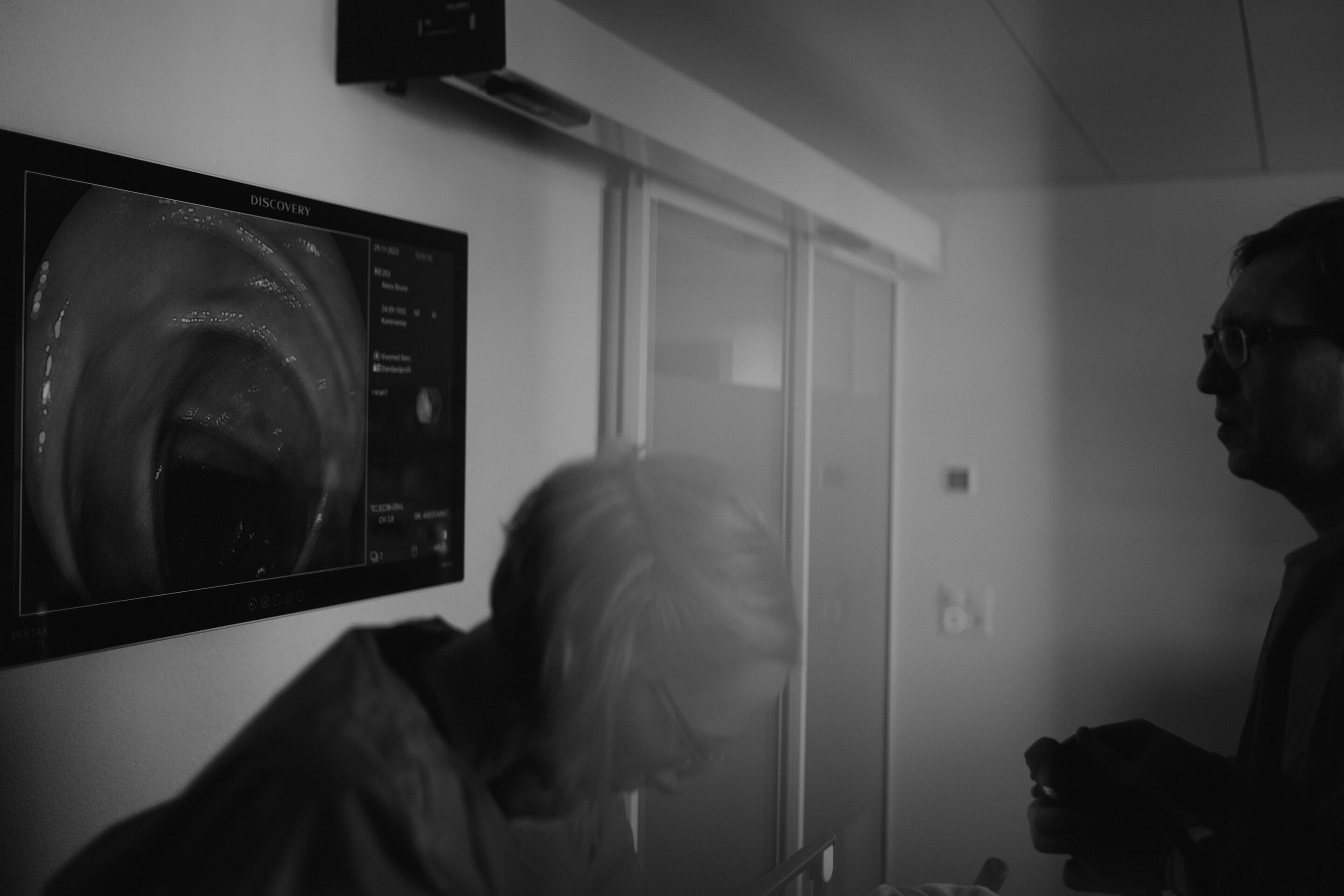
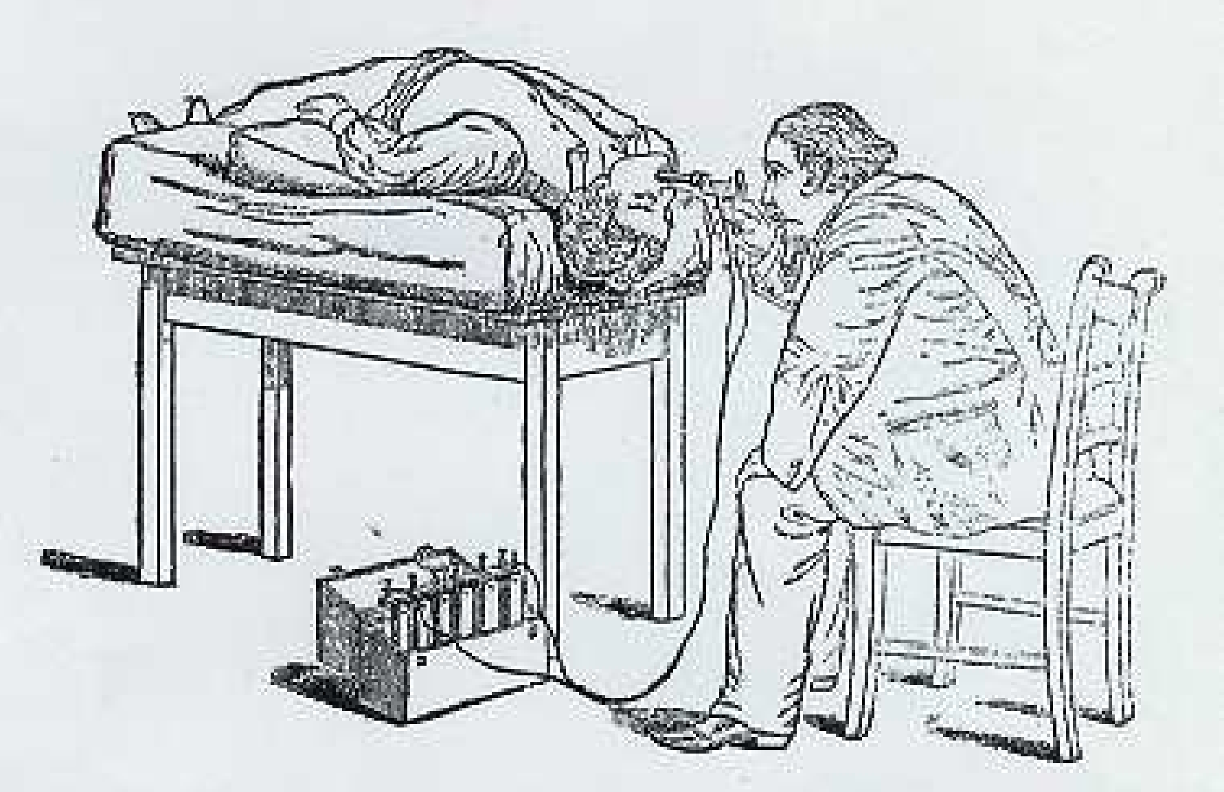
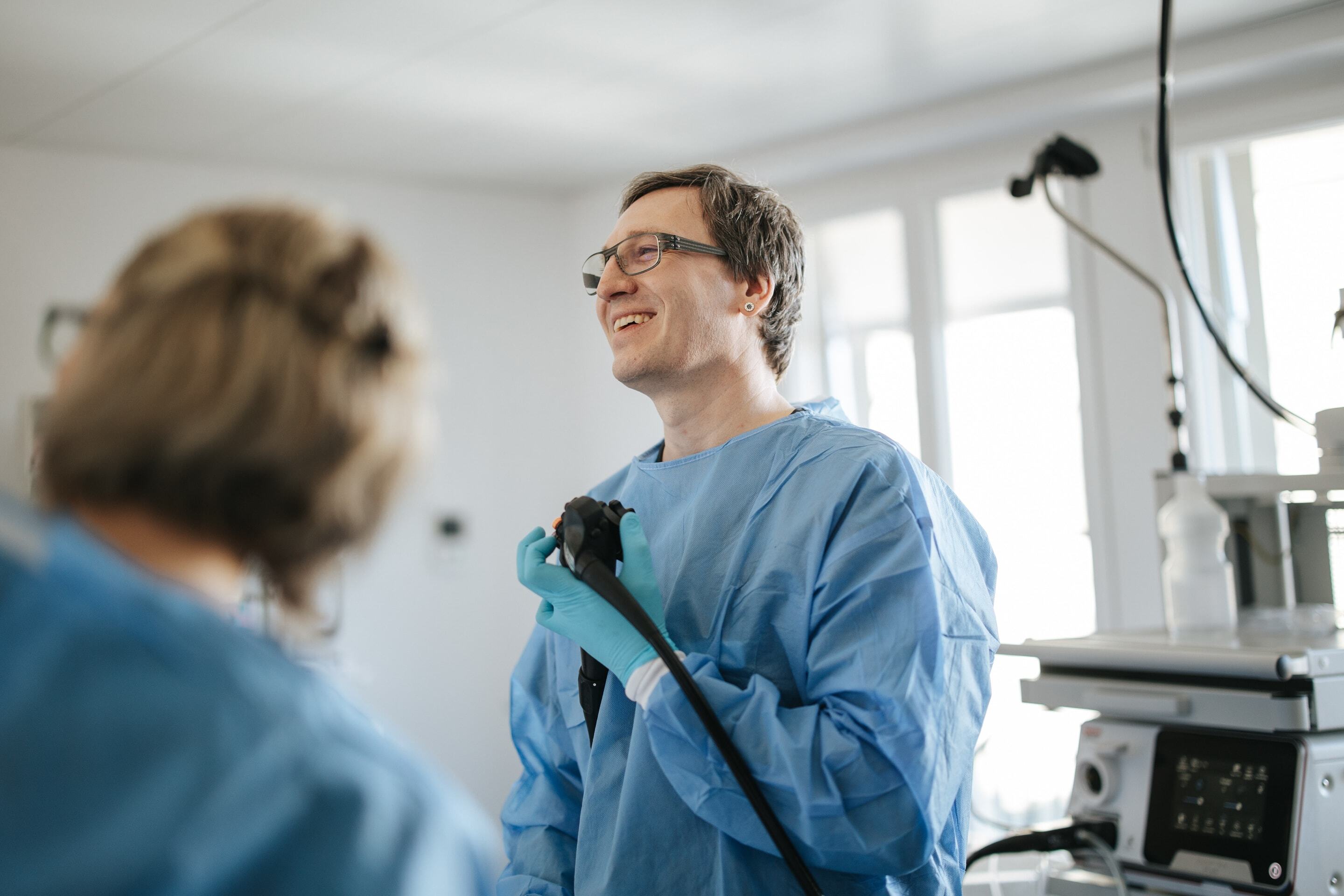
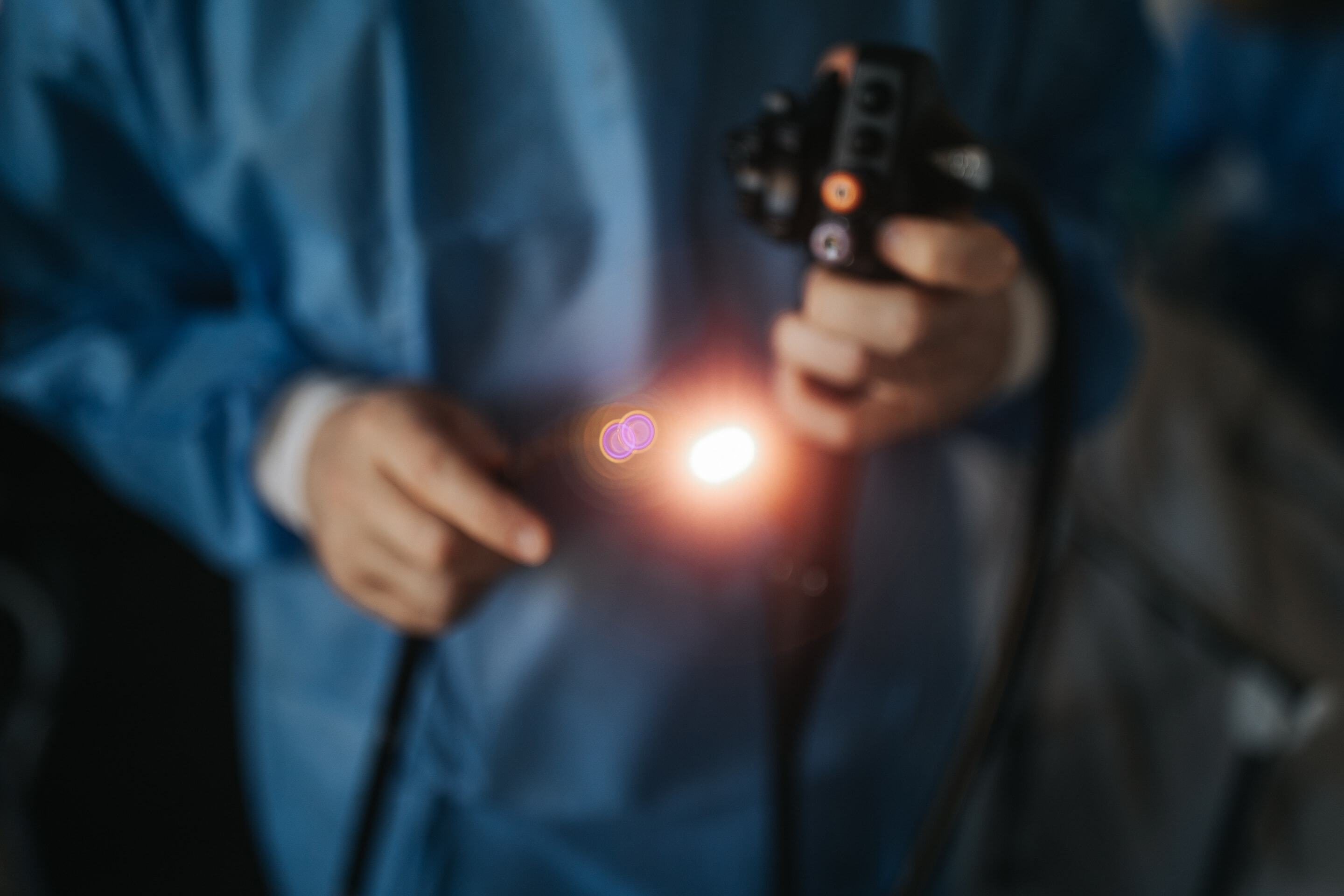
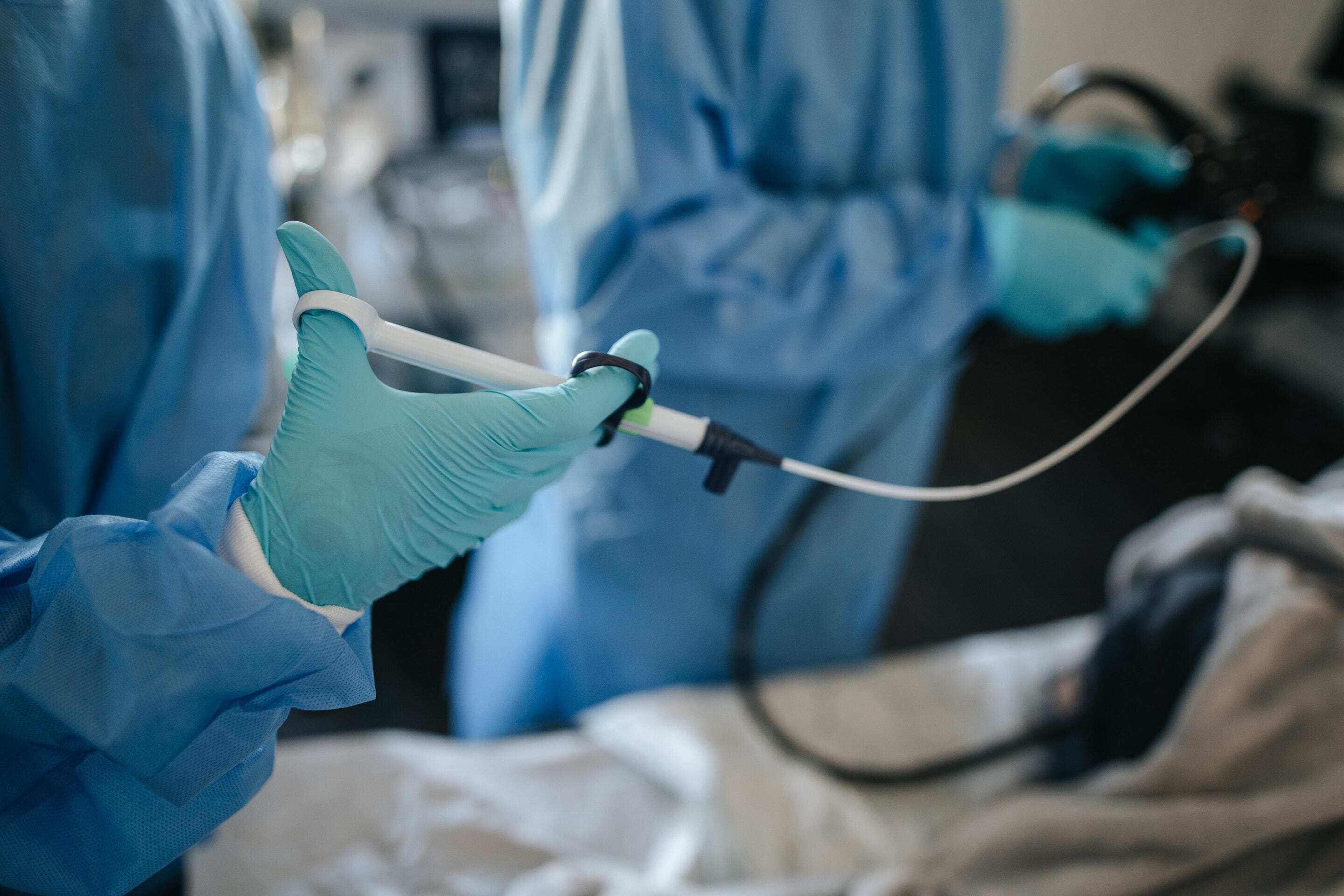
Endoscopy is a minimally invasive procedure in which the inside of the digestive tract is examined using a flexible tube (endoscope). Not only can high-resolution images of internal organs and the digestive tract be taken in real time, but tissue samples can also be taken (biopsy) or procedures performed.
Why is endoscopy important?
Endoscopy plays a crucial role in the early detection and diagnosis of various health conditions such as gastrointestinal diseases, tumors or inflammation. By looking directly at the organs, doctors can make precise diagnoses and we can develop individual treatment plans for you.
What are common endoscopy procedures in our practice:
Gastroscopy (gastroscopy): to examine the esophagus, stomach and duodenum for complaints such as:
- Heartburn (reflux disease)
-
Stomach pain
-
Suspicion of stomach or duodenal ulcers
-
Check-up for coeliac disease or eosinophilic oesophagitis
Colonoscopy: Colonoscopy is the most important examination for the early detection of colorectal cancer. It is recommended for:
-
Screening examinations from the age of 50
-
Family history of bowel cancer
-
Chronic inflammatory bowel diseases such as Crohn's disease or ulcerative colitis
-
Irritable bowel symptoms such as diarrhea, constipation or abdominal pain
Rectoscopy: For examination of the rectum in the case of
- Blood in the stool
-
Haemorrhoids
-
Anal pain
What special endoscopic procedures are offered?
Endosonography (EUS): Endosonography combines endoscopy with ultrasound to produce detailed images of the organs near the digestive tract. We use EUS for:
- Diagnosis of pancreatic tumors
- EUS-guided liver biopsies: assessment of bile ducts and lymph nodes
- Endoscopic polypectomy: polyps can be removed directly during colonoscopy to reduce the risk of bowel cancer.
- Endoscopic hemostasis: Bleeding in the gastrointestinal tract can be stopped quickly and effectively using endoscopic procedures, e.g. in the case of stomach ulcers or bleeding haemorrhoids.
ERCP (endoscopic retrograde cholangiopancreatography): This examination enables the visualization of the bile and pancreatic ducts and the treatment of:
- Gallstones
- Inflammation of the bile ducts (cholangitis)
- Tumors of the bile ducts or pancreas
Endoscopy: Gentle and gentle thanks to modern technology
Many patients are afraid of endoscopy. Thanks to state-of-the-art technology and gentle sedation, the examinations at our practice in Bern are painless and take place in a relaxed atmosphere.
Dr. Schlosser takes the time to provide comprehensive information and individual care. It is very important to us that you feel that you are in good hands.
For whom is an endoscopy useful?
An endoscopy is recommended for both diagnosis and prevention. Patients with the following complaints or risks in particular should consider an endoscopic examination:
-
Heartburn or difficulty swallowing
-
Unclear abdominal pain
-
Persistent diarrhea or
-
Constipation
-
Blood in the stool
-
family history of stomach or bowel cancer
-
Chronic liver disease
Your gastrointestinal specialist for endoscopy in Bern
At our gastrointestinal practice in Bern, Swiss patients receive comprehensive diagnostics and treatment from a single source. We offer you:
-
State-of-the-art endoscopic procedures
-
Individual advice and care
-
Close interdisciplinary collaboration with other specialists for optimal care