
Endosonography (EUS) in Bern - endoscopic ultrasound at Vivomed
Endosonography (EUS) - also known as endoscopic ultrasound - combines endoscopy and ultrasound in a single examination. This produces high-resolution images from close proximity to organs and structures such as the pancreas, bile ducts, lymph nodes, oesophagus and stomach. Vivomed, Gastroenterology Bern+1
At Vivomed - Gastroenterology Bern, endosonography is usually performed on an outpatient basis - with structured information, modern technology and a focus on gentle, precise diagnostics.
What is endosonography (EUS)?
Endosonography involves the use of a flexible video endoscope with an ultrasound probe at the tip. This allows doctors not only to see the mucous membrane, but also to assess wall layers and adjacent organs - especially the pancreas, bile ducts and lymph nodes. A distinction is made between
- Upper endosonography: via the mouth (oesophagus, stomach, duodenum - incl. pancreas/bile ducts).
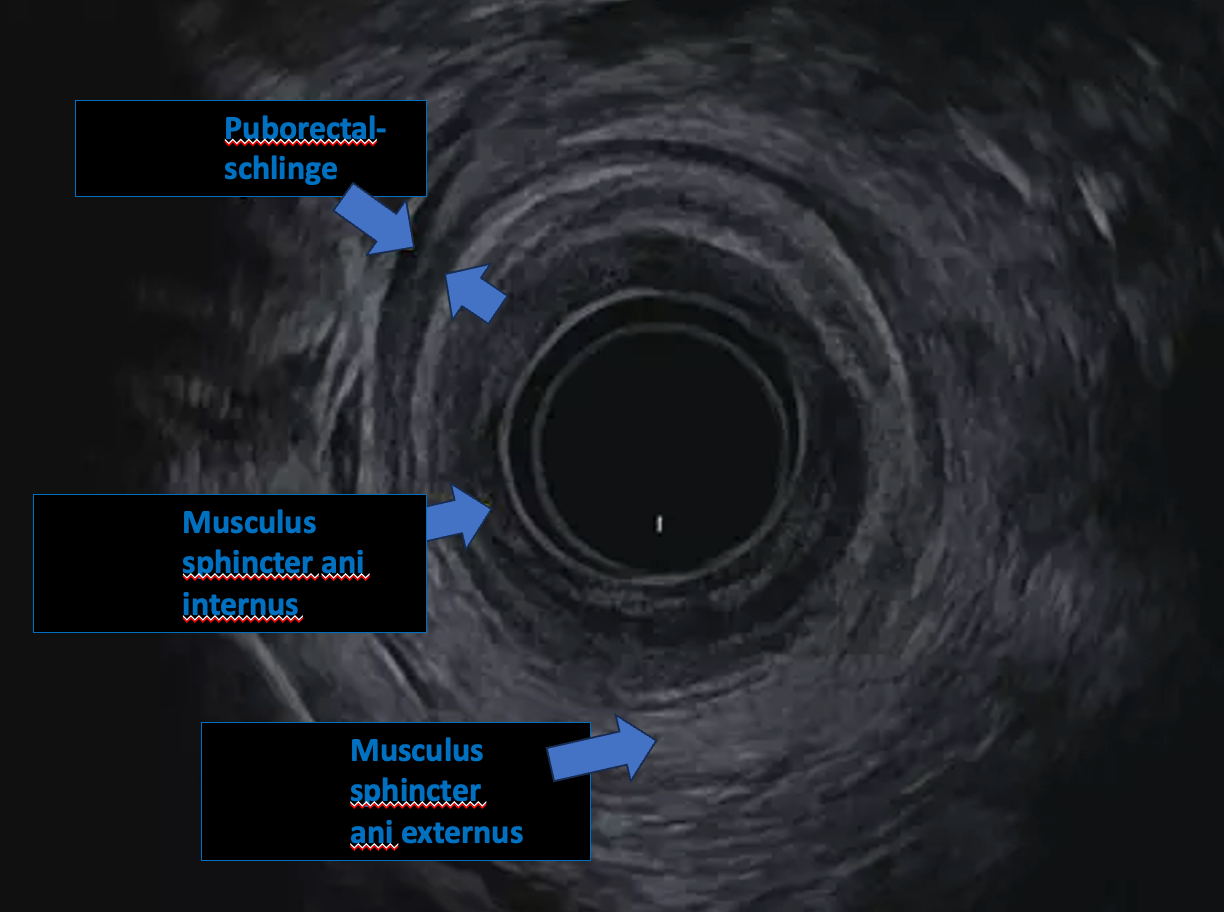
- Lower / rectal endosonography: via the anus (mainly rectum/rectum, e.g. for tumor clarification, fistulas, abscesses).
Endosonography (EUS) - also known as endoscopic ultrasound - combines endoscopy and ultrasound in a single examination. This produces high-resolution images from close proximity to organs and structures such as the pancreas, bile ducts, lymph nodes, oesophagus and stomach. Vivomed, Gastroenterology Bern+1
At Vivomed - Gastroenterology Bern, endosonography is usually performed on an outpatient basis - with structured information, modern technology and a focus on gentle, precise diagnostics.
What is endosonography (EUS)?
Endosonography involves the use of a flexible video endoscope with an ultrasound probe at the tip. This allows doctors not only to see the mucous membrane, but also to assess wall layers and adjacent organs - especially the pancreas, bile ducts and lymph nodes. A distinction is made between
- Upper endosonography: via the mouth (oesophagus, stomach, duodenum - incl. pancreas/bile ducts).
- Lower / rectal endosonography: via the anus (mainly rectum/rectum, e.g. for tumor clarification, fistulas, abscesses).
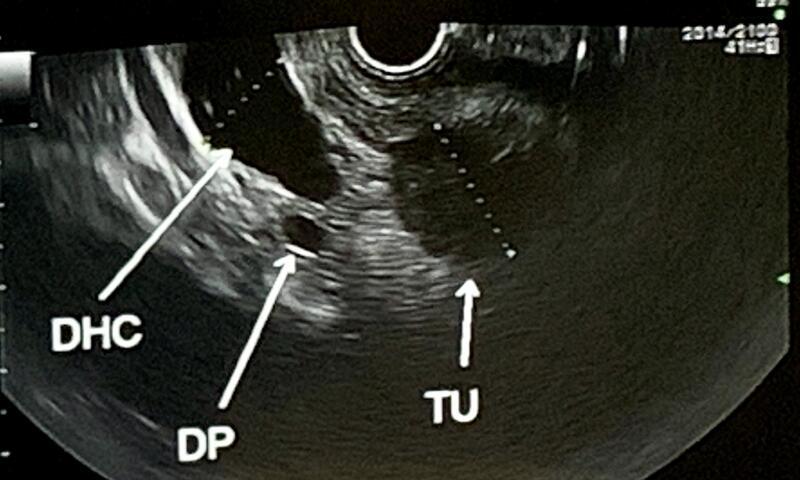
When is endosonography useful?
An EUS is often recommended if a particularly precise clarification is required - or if ultrasound/CT/MRI do not answer all the questions.
Frequent reasons:
- Clarification of the pancreas: e.g. unclear changes, cysts, inflammation.
- Bile ducts/bile stasis: clarification of causes, e.g. small stones or constrictions (EUS can detect/exclude bile duct stones very reliably).
- Tumor clarification & staging: Oesophagus, stomach, pancreas, rectum - incl. assessment of lymph nodes.
- Rectal issues: e.g. fistulas, abscesses, tumors; assessment of the depth of penetration helps with treatment planning.
Tissue sample (fine needle aspiration) - if necessary directly in the same examination:
If a finding is unclear, endosonography can enable targeted, millimeter-precise tissue sampling (fine needle aspiration/biopsy) - without a separate procedure.
Endosonography procedure at Vivomed in Bern
Endosonography is organized in a similar way to a gastroscopy - including a preliminary consultation, sedation and recovery time afterwards.
Typical procedure:
- Preliminary discussion & information (complaints, previous illnesses, medication - especially blood thinners).
- Sedation / short sleep: patient sleeps relaxed and feels nothing; monitoring of breathing and circulation.
- Performance of EUS (high-resolution ultrasound images at close range): By inserting an endoscope equipped with an ultrasound probe into the body, doctors can create high-resolution ultrasound images. The advantage of this is that the organs can be assessed without the interference of air, for example. This makes the assessment much easier.
- If necessary: targeted tissue sample (fine needle aspiration).
- Recovery & discussion of findings
Conclusion Endosonography:
Endosonography is an advanced procedure that provides your doctor with detailed insights into your internal organs. It is an important tool for early detection and diagnosis of various health conditions. If your doctor recommends endosonography, you can be sure that it will be used to provide the best possible medical care.
Conclusion Endosonography:
Endosonography is an advanced procedure that provides your doctor with detailed insights into your internal organs. It is an important tool for early detection and diagnosis of various health conditions. If your doctor recommends endosonography, you can be sure that it will be used to provide the best possible medical care.
FAQ questions: Endosonography (EUS).
Why is endosonography important?
This procedure allows doctors to obtain precise information about your health, which can lead to early detection and more accurate diagnosis. This helps to develop appropriate treatment plans.
Why is endosonography important?
This procedure allows doctors to obtain precise information about your health, which can lead to early detection and more accurate diagnosis. This helps to develop appropriate treatment plans.
Why is endosonography important?
This procedure allows doctors to obtain precise information about your health, which can lead to early detection and more accurate diagnosis. This helps to develop appropriate treatment plans.
Why is endosonography important?
This procedure allows doctors to obtain precise information about your health, which can lead to early detection and more accurate diagnosis. This helps to develop appropriate treatment plans.
Why is endosonography important?
This procedure allows doctors to obtain precise information about your health, which can lead to early detection and more accurate diagnosis. This helps to develop appropriate treatment plans.
Why is endosonography important?
This procedure allows doctors to obtain precise information about your health, which can lead to early detection and more accurate diagnosis. This helps to develop appropriate treatment plans.
Why is endosonography important?
This procedure allows doctors to obtain precise information about your health, which can lead to early detection and more accurate diagnosis. This helps to develop appropriate treatment plans.
Why is endosonography important?
This procedure allows doctors to obtain precise information about your health, which can lead to early detection and more accurate diagnosis. This helps to develop appropriate treatment plans.
Why is endosonography important?
This procedure allows doctors to obtain precise information about your health, which can lead to early detection and more accurate diagnosis. This helps to develop appropriate treatment plans.
What preparation is recommended?
Preparation depends on whether upper or lower endosonography is planned:
- Upper endosonography: as a rule, no solid food for 6 hours and nothing to drink 4 hours beforehand
- Lower/rectal endosonography: an enema in the practice or a defined bowel preparation is often sufficient - depending on the problem.
- Blood thinners/anticoagulants: it is essential to report this at an early stage so that the procedure can be planned safely.
Is endosonography painful or risky?
Endosonography is considered to be a well-tolerated and generally painless examination - especially if it is performed while the patient is asleep.
As with any endoscopy, there are rare risks, including reactions to sedation or, very rarely, injuries - this will be clearly explained during the consultation.
How long does an endosonography take?
An EUS often takes around 30 minutes, longer for therapeutic/additional steps.
Is a tissue sample always taken?
No - only if a finding makes sense. Advantage: If necessary, a targeted fine needle puncture is possible directly.
Is a tissue sample always taken?
No - only if a finding makes sense. Advantage: If necessary, a targeted fine needle puncture is possible directly.
Is a tissue sample always taken?
No - only if a finding makes sense. Advantage: If necessary, a targeted fine needle puncture is possible directly.
Is a tissue sample always taken?
No - only if a finding makes sense. Advantage: If necessary, a targeted fine needle puncture is possible directly.
Is a tissue sample always taken?
No - only if a finding makes sense. Advantage: If necessary, a targeted fine needle puncture is possible directly.
Why is endosonography important?
This procedure allows doctors to obtain precise information about your health, which can lead to early detection and more accurate diagnosis. This helps to develop appropriate treatment plans.
Endosonography in Bern: why Vivomed?
- Centrally located in Bern - easily accessible from German-speaking Switzerland & Valais
- Outpatient clarification with structured information and follow-up care.
- Specialized focus on precise, gentle diagnostics
- fast appointment allocation without long waiting times
