
Colonoscopy by a gastrointestinal specialist in Bern
Colonoscopy is the best method for the early detection, prevention and diagnosis of bowel cancer, intestinal inflammation and other diseases of the digestive tract. At Vivomed' s centrally located practice in Bern, this examination is carried out using state-of-the-art equipment in a pleasant atmosphere. The safety of our patients is our top priority during preventive examinations and treatments.
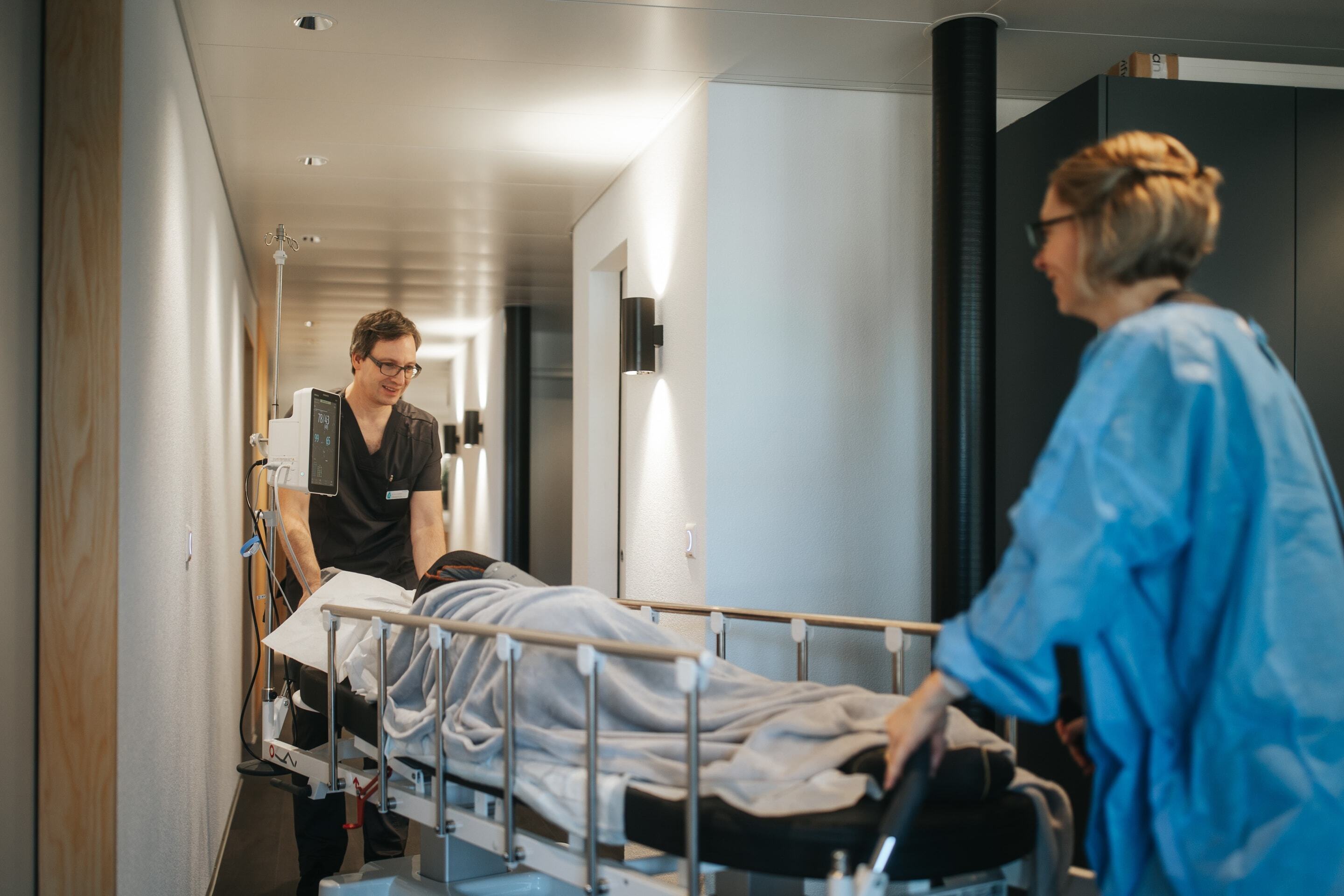
Key facts Colonoscopy:
- the most important examination for the early detection of bowel cancer and to clarify gastrointestinal complaints
- Time required for the examination: approx. 90 minutes
- Bowel preparation with ingestion of a laxative according to instructions
- Recovery time: max. 1-2 hours
- Avoidance of road traffic for 24 hours
- Slight flatulence possible after the examination
- Normal diet usually possible again immediately
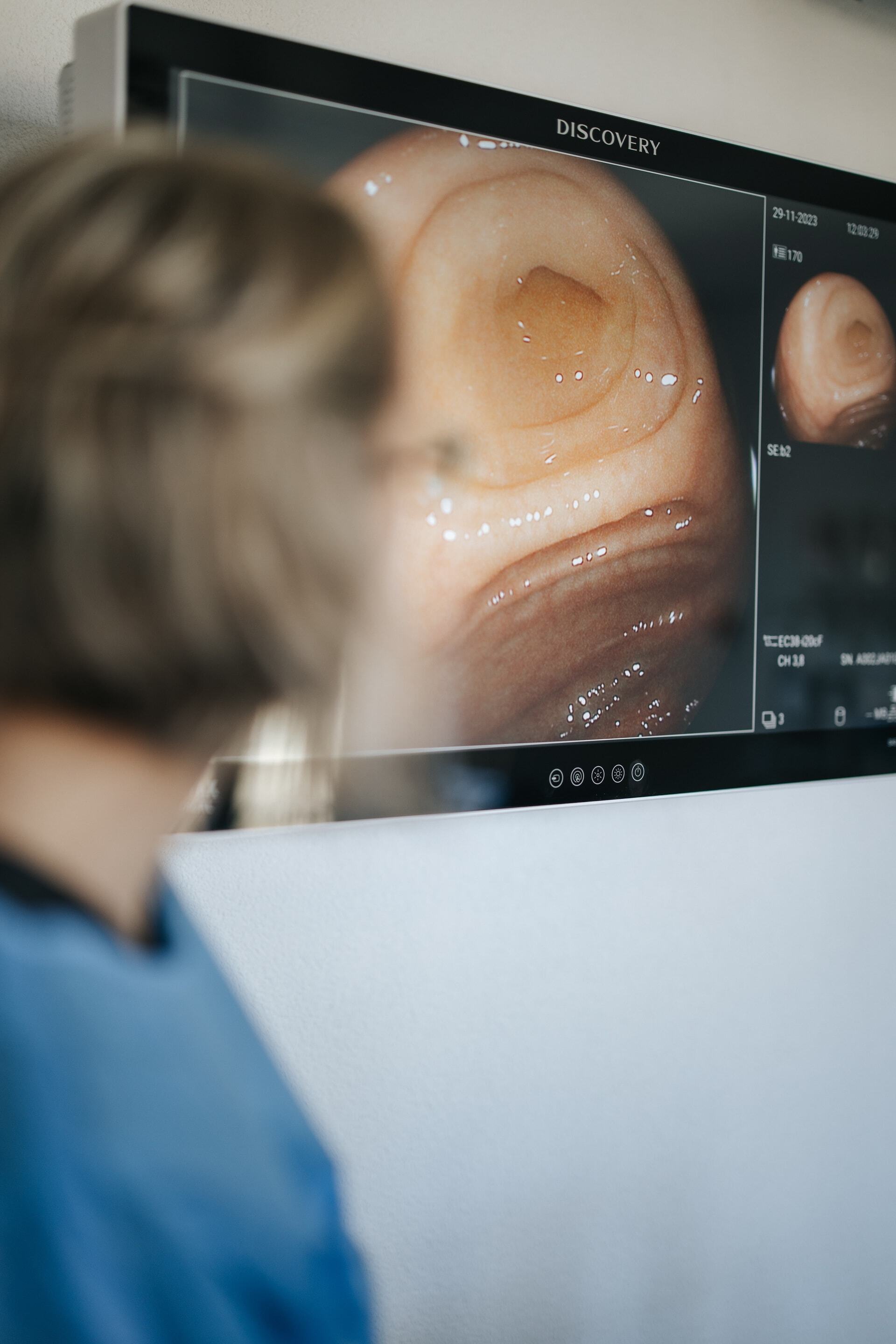
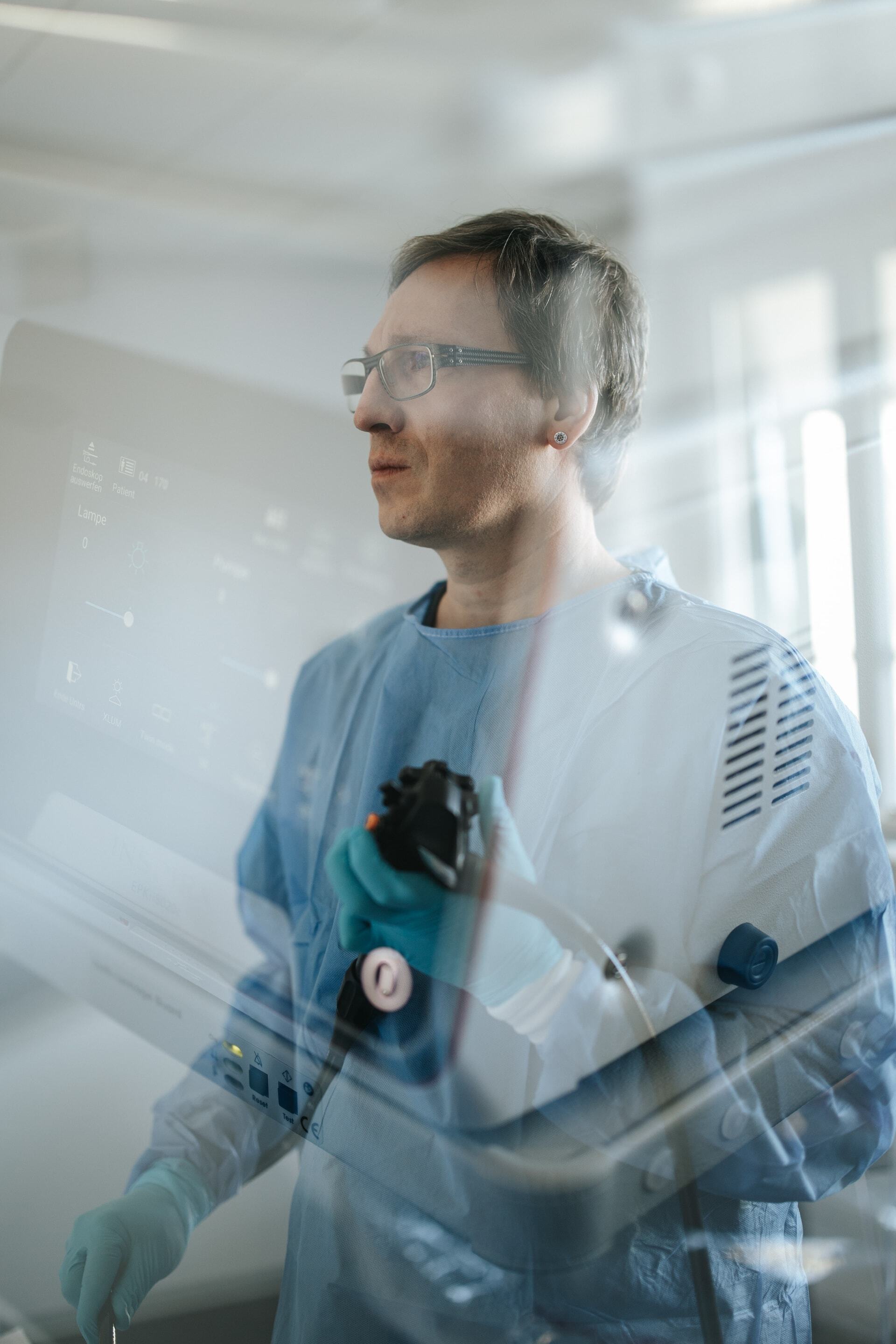
Colonoscopy is now the standard examination method for the early detection of bowel cancer in healthy people. It is also used to clarify suspected cancer or other bowel diseases and as a follow-up examination after bowel cancer. During the examination, the doctor examines images from the bowel. To do this, he pushes a tube-shaped instrument through the entire large intestine. A small camera sits at the tip of the instrument. This so-called colonoscope gives the examination its technical name: Colonoscopy. the doctor can also insert tiny devices through the colonoscope tube to take tissue samples from conspicuously altered areas in the colon.
Advantages of a colonoscopy at our practice in Bern
- Central location in the city center of Bern at the train station for easy accessibility on foot, by public transport or by car.
- Fast appointment allocation without waiting times
- Experienced specialists and personal care: Specialization in gastrointestinal, liver and pancreatic diseases with many years of experience in diagnostic and therapeutic endoscopy.
- Latest technology: High-resolution endoscopes for more precise diagnoses and maximum safety.
- Pleasant examination: Gentle sedation for a pain-free colonoscopy.
- Individual consultation and therapy
Who should have a colonoscopy?
- People aged 50 and over for colorectal cancer screening
- Patients with a family history of bowel cancer or a family history of bowel cancer
- People with persistent digestive problems (blood in the stool, chronic diarrhea or constipation)
- Patients with protrusions of the intestinal wall (diverticula) or inflamed diverticula (diverticulitis)
- Patients with known intestinal diseases such as Crohn's disease or ulcerative colitis
What diseases can be detected?
Colonoscopy is not only used for colorectal cancer screening, it is also used to clarify unclear complaints. The following other diseases can be diagnosed by colonoscopy:
- Polyps
- Protrusions of the intestinal wall and inflammation of these protrusions (diverticulitis)
- acute inflammation of the intestinal wall
- Circulatory disorders
- chronic inflammatory bowel diseases such as Crohn's disease and ulcerative colitis
- Bowel cancer
- Haemorrhoids
FAQ questions: Procedure and duration of colonoscopy.
Who carries out the examination?
Colonoscopy can be carried out on an outpatient basis in a gastrointestinal practice in almost all cases. A colonoscopy may only be performed by doctors who have completed special training for this examination. To ensure good quality, gastroenterologists must prove that they have performed a specified minimum number of colonoscopies per year. There are also special hygiene regulations and quality standards for practices and clinics that carry out colonoscopies, compliance with which is monitored.
Is a colonoscopy painful?
As a rule, a colonoscopy is not associated with pain. However, some movements of the endoscope can be perceived as unpleasant. If the patient is given a short anesthetic, they will not feel any of the movements and will not notice the actual examination at all.
Eating before a colonoscopy?
Patients should not eat any foods containing grains for about three days before the examination. This also includes fruits containing grains, such as berries or kiwis. 24 hours before the examination, care should be taken not to eat any foods that are difficult to digest or cause flatulence. On the day before the colonoscopy, patients may eat an easily digestible breakfast, after which they should avoid solid food. Drinking plenty of fluids in the form of water, tea or broth helps to flush the bowel. In the afternoon or evening and in the morning immediately before the examination, the patient takes a laxative to completely empty the bowel. The laxative is taken as a liquid. If a patient has a sluggish bowel, it is important that a change in diet is started earlier.
How does a colonoscopy work?
During the colonoscopy, the doctor inserts a flexible endoscope (colonoscope) through the bowel. A sedative is administered before the examination so that most patients hardly notice the examination. The examination usually takes between 20 and 45 minutes and is one of the safest methods for the early detection of bowel cancer.
What happens if polyps are detected?
Polyps are found in around 50% of patients during a colonoscopy. If they are small and inconspicuous, a follow-up examination after 10 years is usually sufficient. However, larger or more conspicuous polyps require earlier follow-up (usually after 3-5 years). We use various polyp removal procedures, such as cold snare ablation or underwater EMR, to safely remove the polyps.
How long does the colonoscopy take and what happens afterwards?
The colonoscopy usually takes between 20 and 45 minutes. You can eat and drink again immediately after the examination. However, it is recommended that you do not operate machinery or drive for 24 hours after the examination, as the effects of the sedative may linger. Aftercare depends on the results of the examination.
Colonoscopy - What to consider afterwards?
As colonoscopy is usually an outpatient procedure, the patient can go home on the same day. You can find out what a patient needs to look out for immediately after the examination in the following sections.
When can I eat afterwards?
You can eat and drink normally again after a colonoscopy. However, it sometimes takes a few days for digestion to settle down again and for everything to return to normal.
When can I go home?
In the case of sedation, it is recommended that the patient is monitored for a further 30 to 60 minutes. After that, the patient has recovered and can go home.
When can I drive again?
If sedation or even general anesthesia was used, the patient is prohibited from actively participating in road traffic. In the first 24 hours after the procedure, driving a car, riding a bicycle and generally taking an active part in public road traffic is prohibited. In this case, you should therefore always bring an accompanying person with you who can then drive you home.
How do follow-up checks after a colonoscopy work?
If polyps are small and inconspicuous, it is sufficient to have the next colonoscopy in about 10 years after their removal. However, if larger or more conspicuous polyps are removed, an earlier check-up is necessary, usually within 3 to 5 years. Regular monitoring ensures that any new polyps can be detected and removed at an early stage in order to minimize the risk of colorectal cancer.
How can I book an appointment for a colonoscopy at Vivomed in Bern?
To book a colonoscopy at Vivomed Gastroenterology Bern, you can simply use our online appointment service or call us directly. Our team will help you find a suitable appointment and answer all your questions about preparation.

Side effects and risks
Colonoscopy is a safe examination, but slight discomfort such as bloating may occur. In rare cases, bleeding or intestinal perforations may occur, which must be treated immediately. Your doctor will inform you of all risks before the examination. In 2 to 3 out of 1000 patients, complications requiring treatment occur during the colonoscopy. These are mainly minor bleedings caused by the removal of polyps. Most bleeding can be treated on an outpatient basis. As the bowel is dilated with gas for the examination, some patients occasionally complain of slight abdominal pain or bloating.
- Bleeding 0.3 percent
- Perforation of the intestinal wall 0.06 percent
- Allergic reaction
- Circulatory problems