
High-resolution 3D functional diagnostics for the diagnosis of pelvic floor and fecal incontinence disorders
With three-dimensional anorectal manometry, we offer you an advanced diagnostic procedure to precisely examine and treat functional disorders of the rectum and anal canal.
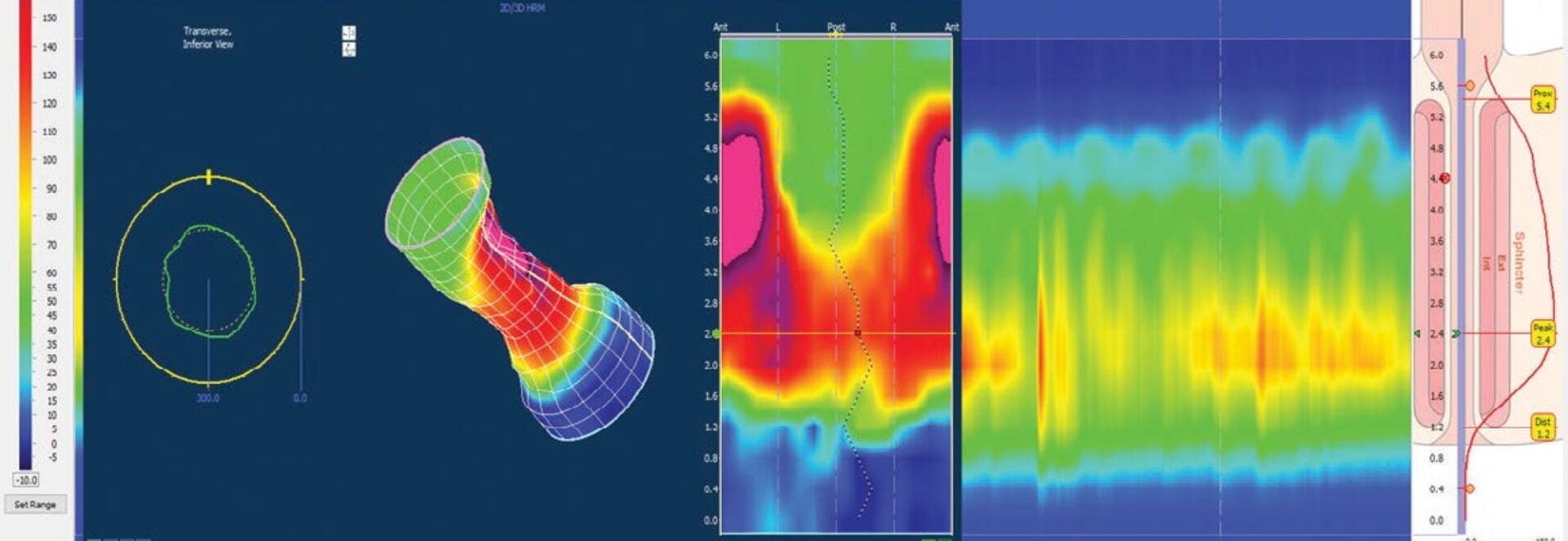
At the Pelvic Floor Center, we clarify functionality in an interdisciplinary setting by measuring pressure in the area of the rectum and pelvic floor. These measurements are important for clarifying faecal incontinence or constipation. 3D high-resolution anorectal manometry (3D-HR-ARM) is an advanced form of traditional manometry. It offers a three-dimensional view of the pressure conditions and muscle activity, which enables an even more precise diagnosis. We use further examinations such as defecography, MR defecography, colon transit time measurements or anorectal endosonography to supplement the examination.
What is anorectal manometry good for?
Possible causes of incontinence can be distinguished:
- Weakness of the sphincter resting pressure (M. sphincter ani internus), insufficient clamping pressure (M. sphincter ani externus), reduced rectal sensitivity with overfilled rectum and unnoticed loss of stool (passive or overflow incontinence) or increased rectal sensitivity (imperative urge to defecate with urge incontinence). The assessment of rectal sensitivity, which is increased in this case, can contribute to the investigation of urge symptoms.
In the case of constipation, the examination can provide clues as to the cause:
- dyssynergistic defecation (disproportion of sphincter relaxation and abdominorectal pressure build-up for defecation), pelvic floor dysfunction, rectal hyposensitivity: lack of urge to defecate with formation of a megarectum aganglionosis (e.g. Aganglionosis (e.g. Hirschsprung's disease) can be ruled out with the physiologically present rectoanal inhibition reflex (relaxation of the anal sphincter with sudden rectal filling with 10-50 ml).
How does anorectal manometry work?
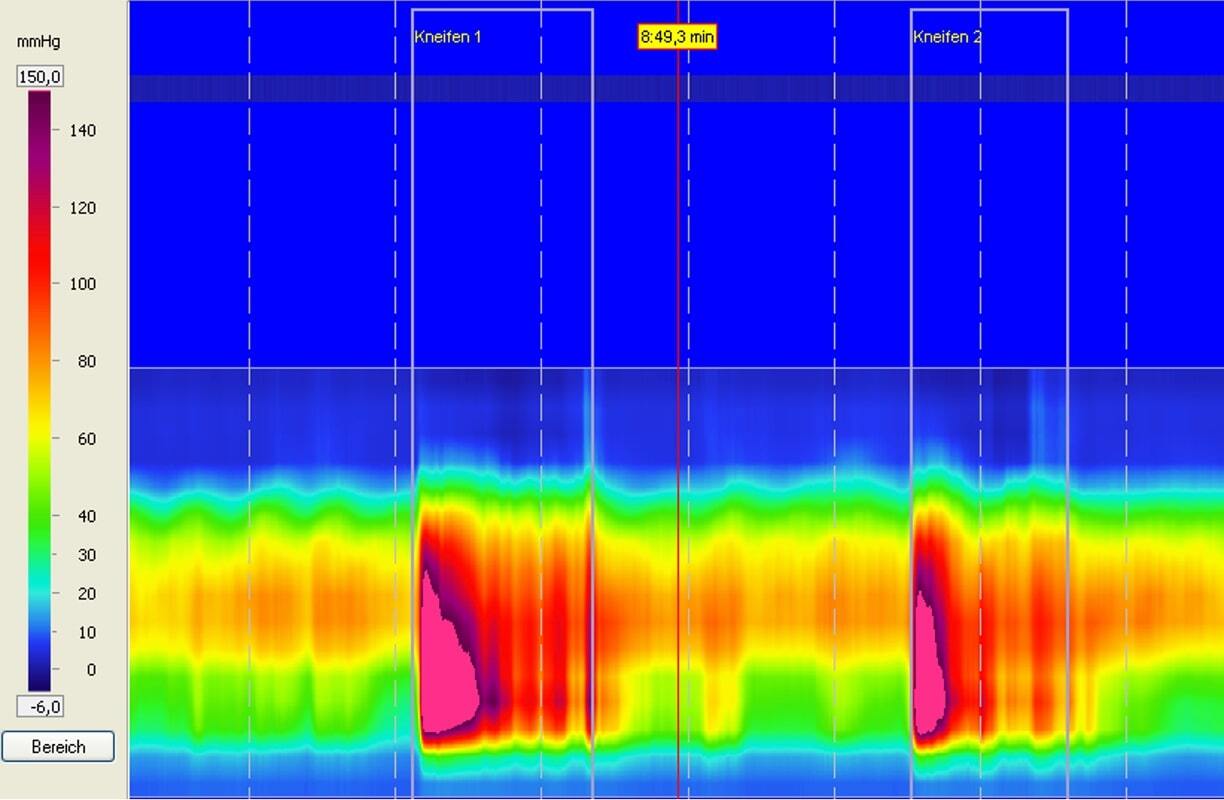
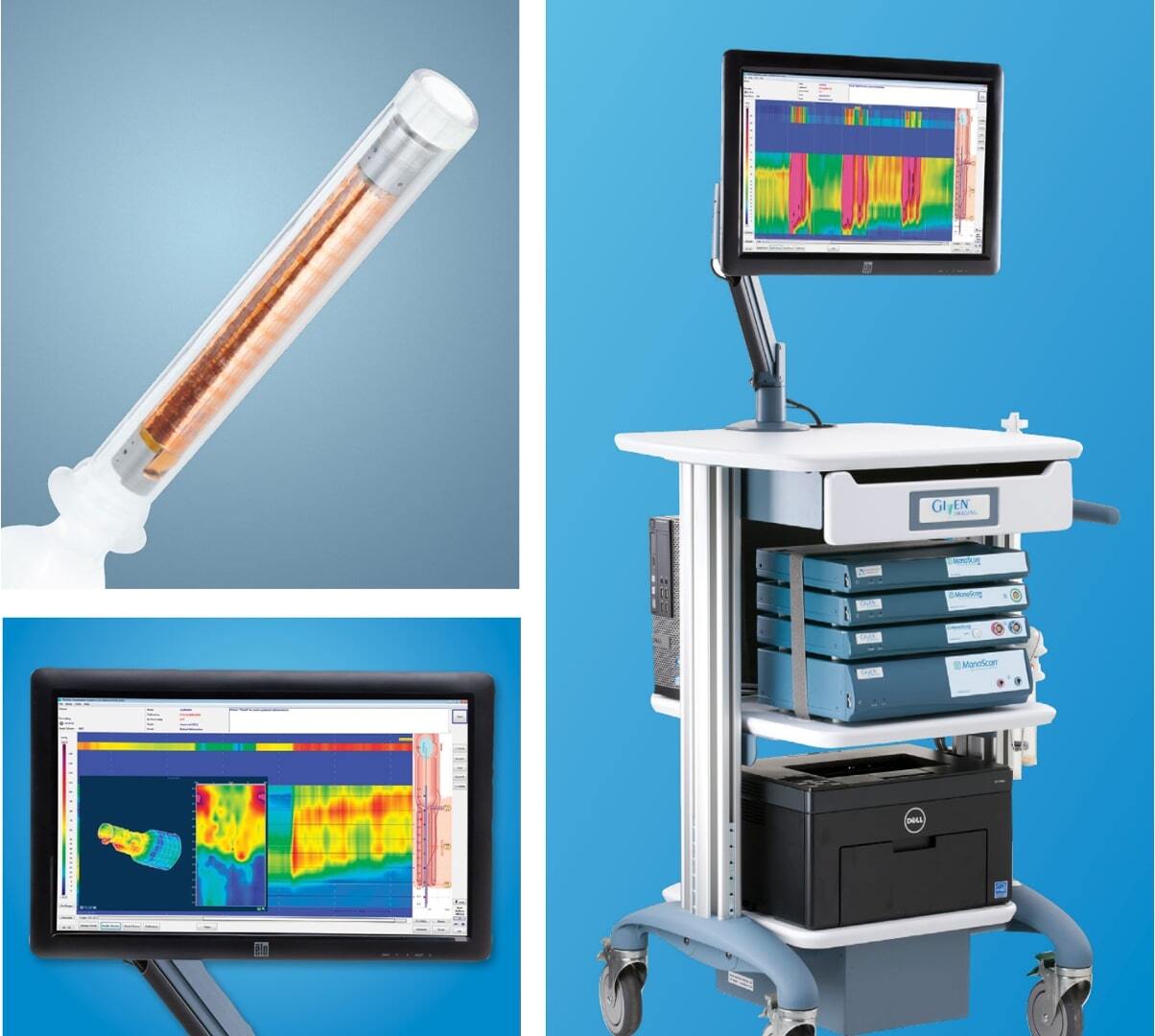
The thin anorectal manometry probe transmits pressure fluctuations. An evaluation program allows the length and strength of the sphincter muscle to be measured.
What preparation is necessary for anorectal manometry?
No special preparation is required. An enema is performed on site.
How does anorectal manometry work?
- Preparation: You should empty your bladder before the examination. No special preparation is usually necessary.
- Procedure: A thin, flexible catheter is carefully inserted into the rectum. This catheter measures the pressure and muscle activity during various maneuvers, such as squeezing or relaxing.
- Data analysis: The recorded data is analyzed to assess the function of the anal canal and rectum.
- Discussion of the results: After the examination, we will discuss the results with you and develop a personalized treatment plan.
What are the advantages of anorectal manometry?
- Precise diagnostics: The method provides detailed information about the function of the sphincter muscles and the rectum. 3D anorectal man ometry offers an even more detailed and precise analysis compared to normal manometry by providing additional information, which can be beneficial in more complex cases.
- Painless: The procedure is minimally invasive and generally painless
- Fast results: The examination usually takes less than 30 minutes and provides quick, conclusive results.
What are the risks associated with anorectal manometry?
This examination does not involve any relevant risks. If there is already pain in the anus, such as fissures or inflammation, the probe may be perceived as uncomfortable.
What can I expect after anorectal manometry?
The examination may cause slight irritation with bowel movements, but is not usually perceived as unpleasant.
Conclusion
Anorectal manometry is an important and effective procedure for diagnosing functional disorders of the rectum and anal canal. Precise measurements allow us to develop targeted treatments that improve your quality of life.
Do you have any questions about anorectal manometry or would you like to make an appointment for an examination? Our friendly and experienced team is at your disposal. Get in touch with us!