Gastroscopy in Bern - Your gastroscopy at Vivomed - Gastroenterology Bern
What happens during a gastroscopy?
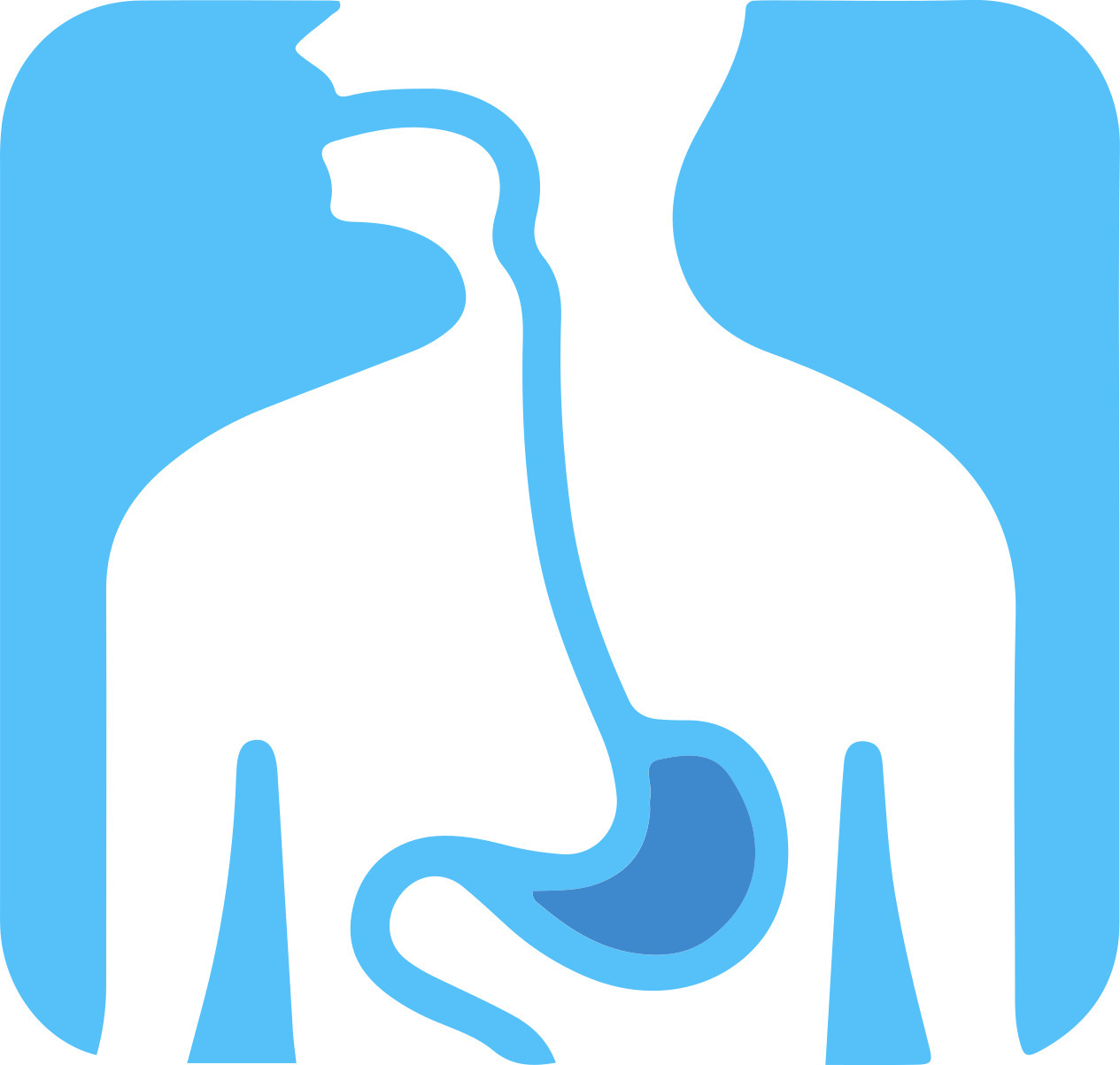
A gastroscopy, also known as an oesophagogastroduodenoscopy (OGD), is an important examination toclarify diseases such as gastritis, stomach or duodenal ulcers and oesophageal or stomach cancer. During this minimally invasive examination, the doctor uses a flexible gastroscope to examine the oesophagus, stomach and part of the duodenum. A small camera at the end of the gastroscope transmits the images to a screen in real time.
What is a gastroscopy useful for?
-
persistent or recurring heartburn, nausea or vomiting
-
prolonged nausea
-
Stomach pain
-
Difficulty swallowing
-
black discolored stool
-
unclear weight loss
It is also carried out as a check-up after stomach operations or if stomach or duodenal ulcers are suspected.
What preparations are necessary?
If you regularly take anticoagulant medication, you may have to stop taking it a few days before the examination. You must not eat anything six hours before the gastroscopy. You may drink clear liquids up to 2 hours before the examination. We usually administer a sedative during the examination. Afterwards , you are not allowed to drive or operate machinery for 24 hours. Exactly how long depends on the sedative. It is best to have someone pick you up after the examination or use public transport to get home safely. If you wish to be awake during the examination, a mouth and throat spray can be used.
How does the examination work?
A gastroscopy is a standard and important medical procedure to examine the gastrointestinal tract. Here is what you should know about the procedure:
Preparation:
Before the examination, your doctor will explain the procedure, risks and the use of sedatives or anesthetics. Removable dentures must be removed. We usually give our patients a mild anesthetic and sedative such as propofol or midazolam to put the patient to sleep for a short time and ensure optimal examination conditions.
The examination process:
- The patient usually lies on their left side.
- A protective ring is placed between the teeth to keep the mouth open and prevent biting on the gastroscope.
- After the patient has fallen asleep, the gastroscope is carefully inserted through the esophagus and slowly advanced into the stomach and duodenum.
- The doctor uses the gastroscope to examine the stomach, oesophagus and duodenum for redness, inflammation, bleeding, varicose veins, abnormal narrowing or stomach ulcers.
- During the examination, tissue samples can be taken or air and fluids aspirated. Bleeding, constrictions and certain diseases can be treated directly.
Possible problems and side effects:
Temporary hoarseness, a numb feeling in the mouth and throat, bloating and temporary belching may occur after the examination. Although very rare, bleeding or injury may occur during the examination. More serious complications are extremely unlikely.
It is important to note that temporary concentration difficulties and drowsiness may occur after administration of the sedative, which may last for a few hours.
FAQ questions: Things to know about gastroscopy.
Preparation & procedure for a gastroscopy?
Careful preparation is crucial to the success of the gastroscopy:
- Please arrive fasting (no solid food for at least 6 hours).
- Clear liquids are permitted up to 2 hours before the appointment.
How long does a gastroscopy take?
The examination itself usually takes 30 minutes.
The examination is carried out with a scarf so that you are relaxed and do not notice anything. Most patients find this very pleasant.
What happens after the gastroscopy?
After the examination, you can go home after a monitoring phase in our recovery room. We will discuss all findings with you beforehand. Tissue examinations usually take 5-7 days and are sent directly to your family doctor. You should not drive on the day of the examination.
Does a gastroscopy hurt?
Thanks to the use of modern technology and sedation, it is generally painless to painless.
How quickly can I get an appointment?
Thanks to flexible appointment scheduling, we at Vivomed can usually offer short-term appointments without waiting times - for referring doctors from the region and beyond.
will my health insurance cover the costs?
Yes - as long as there is a medical indication, the costs are usually covered by your basic health insurance; in the family doctor model, a referral from your family doctor is required; in the Tellmed model, you must register the appointment with your insurance company and have it approved. Patients with a free choice of doctor can register directly with us. Ideally, you should send us preliminary findings in advance.
How can we support your health?
At Vivomed - Gastroenterology Bern, we focus on you as a person - not just as a medical case. Our gastroscopies are performed according to the latest standards, always with a focus on safety, comfort and efficient diagnostics.