
"Why more and more young people in Switzerland are developing colon cancer – New evidence points to Colibactin"
What is the bacterial toxin colibactin, and why could it increase the risk of colorectal cancer, particularly in young people?
The latest research shows that the bacterial toxin colibactin may play a key role in the development of colorectal cancer in young adults. How do you assess these findings?
Dr. Stefan Schlosser, specialist in gastroenterology, Vivomed – Gastroenterology Bern:
These study results are extremely relevant. For some time now, we have been observing an alarming increase in colon cancer cases in people under the age of 50 in gastroenterology – in isolated cases even in patients in their thirties or forties. The newly discovered link between colibactin – a genotoxin produced by certain E. coli bacteria – and the development of cancer brings us a decisive step forward in understanding this development.
What exactly is colibactin – and how can it cause damage in the body?
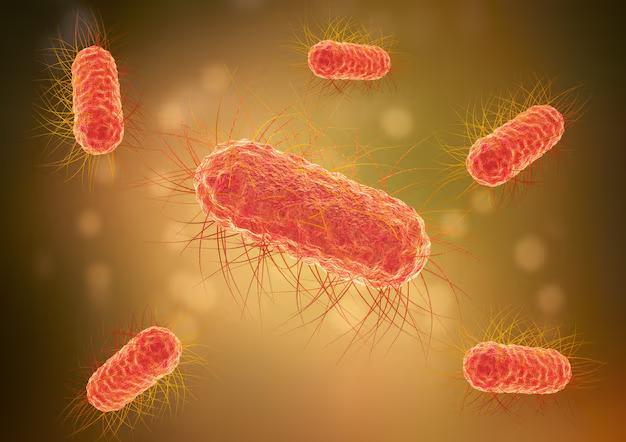
Colibactin is a so-called genotoxin, i.e., a bacterial substance that can directly damage the DNA of healthy cells. It is produced by certain strains of the bacterium Escherichia coli, which can permanently colonize the intestine. Over the years, this can lead to genetic changes that significantly increase the risk of developing colon cancer. Particularly noteworthy: according to the study, the first DNA damage caused by colibactin often occurs in childhood – decades before the disease is diagnosed.
How often do people carry such colibactin-producing bacteria?
Approximately 20 to 30 percent of the population harbors these specific bacterial strains in their intestines. However, this does not automatically mean that cancer will develop. The decisive factor is how the gut microbiome develops over the course of a lifetime – influenced by factors such as mode of birth, diet, antibiotic use, and overall lifestyle.
What role does our Western diet play in this?
Diet has a major impact on gut health. A typical Western diet – rich in processed meat, sugar, and fatty foods, but low in fiber – tends to promote an unfavorable composition of gut flora. This can promote the growth of colibactin-producing bacteria. On the other hand, a gut-healthy diet with plenty of vegetables, whole grains, legumes, fruit, and little animal fat—similar to the Mediterranean diet—has been shown to reduce the risk of colorectal cancer.
Will these new findings influence colorectal cancer screening in the long term?
That is quite possible. It is conceivable that new stool tests could be developed to detect colibactin-associated DNA damage at an early stage in life. People with such damage could then be invited to undergo colorectal cancer screening much earlier—for example, as early as age 25 or 30. That would be an important advance in the field of personalized prevention.
What concrete steps can young adults take today to reduce their risk?
The most important thing is to watch out for warning signs early on. Even in young people, persistent abdominal pain, blood in the stool, or unexplained weight loss should always be checked by a doctor – ideally by a specialist gastroenterologist. In my practice in Bern, we unfortunately often see such symptoms being ignored or trivialized for too long – both by those affected and in the medical community.
In addition, classic preventive measures help: a high-fiber diet, regular exercise, avoiding nicotine, moderate alcohol consumption, and an overall healthy lifestyle. The microbiome also benefits from these measures in the long term.
What is your most important message to young people with regard to colorectal cancer?
Early detection is key. If colorectal cancer is detected in time—even in young patients—the chances of recovery are excellent. That's why I urge people to take symptoms seriously, get checked out in good time, and not hesitate to see a gastroenterologist. Modern diagnostics now offer many gentle options for early detection and risk assessment.