
Weight loss for obese patients. Frustration for diabetics
Glucagon-Like-Peptide-1 (GLP-1) agonists such as Rybelsus, Ozempic and Wegovy are known to be groundbreaking in the treatment of morbid obesity. Originally developed for the treatment of type 2 diabetes, they not only improve HbA1c levels, but also lead to significant weight loss due to increased satiety and slower gastric emptying. Further initial data also indicate that GLP-1 agonists can contribute to a reduction of fat in liver tissue and thus to an inhibition of inflammation in fatty liver(NAFLD/NASH/MAFLD). The GLP-1 agonist liraglutide from Novo Nordisk was so effective at causing weight loss in the SCALE study that it was approved as a weight loss medication for non-diabetics in the EU back in 2016. Phase 3 data on its successor semaglutide are now available from the STEP 1 study, which, unlike liraglutide, only needs to be administered once a week instead of daily injections.
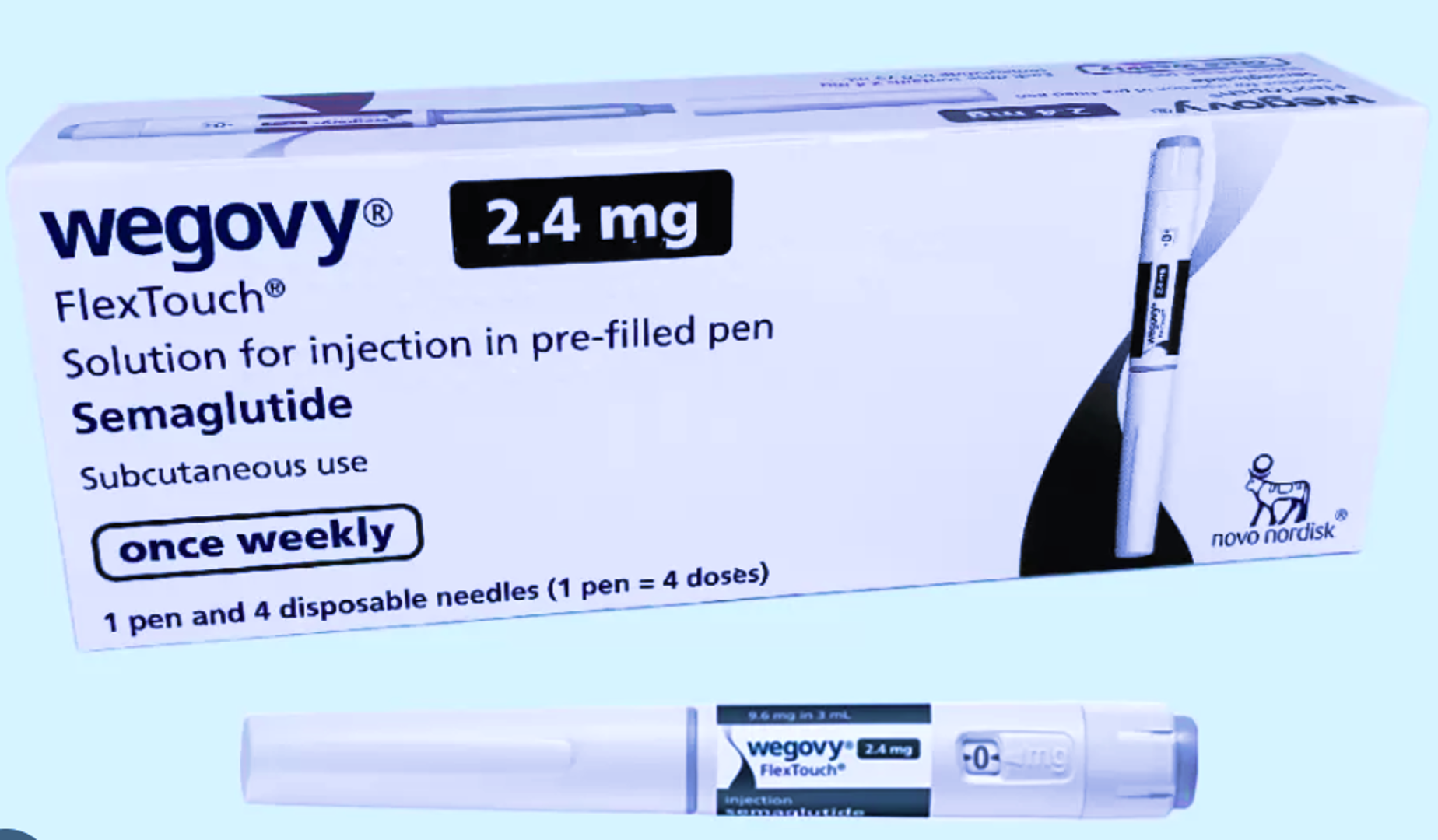
Wegovy, Novo Nordisk
How much weight loss can be achieved with a GLP-1 agonist?
Semaglutide shows promising results in weight loss: in one study, participants receiving semaglutide lost around 14.9% of their weight compared to only 2.4% in the placebo group. Some even lost over 20 % of their weight. Compared to liraglutide, semaglutide performed better and also outperformed other weight loss drugs. It not only reduced body weight, but also visceral fat and improved parameters such as blood pressure and blood sugar. Semaglutide also proved effective in more intensive diet and exercise programs. While about a quarter of adults are eligible for the treatment, experts say semaglutide should be offered to any patient who can be expected to benefit. Only a misguided health policy and restrictive payers who prefer to pay for complication-associated costs such as heart attacks, strokes, hypertension, sugar, back and joint operations as well as sickness absence out of a misunderstood educational claim rather than to protect patients from these ailments are apparently resisting wider use. The manufacturer skillfully uses these discussions to fuel a media discourse, which further increases demand.
What are the long-term benefits of GLP-1 agonists such as Wegovy (semaglutide)?
In fact, robust long-term data is still lacking, leading to uncertainty as to whether the long-term benefits outweigh the potential risks. Some experts also fear that the effect could diminish over time. However, current studies show no diminishing effects as long as the drug is taken. However, there is a plateau that is reached after about a year.
How are GLP-1 agonists such as Wegovy (semaglutide) used?
The possibility of oral administration of semaglutide could make it easier to inject, but the strict requirements for ingestion could lead to complications. In addition, the available preparation Rybelsus is approved for oral administration in diabetes, but not obesity.
What are the side effects of GLP-1 agonists (semaglutide)?
Gastrointestinal side effects such as nausea and vomiting are common, potentially affecting weight loss. Despite these challenges, GLP-1 agonists such as semaglutide are seen as a promising tool in obesity therapy. However, the question of reimbursement by health insurance companies remains open, limiting their availability for many patients.
Conclusion:
Semaglutide seems to be a good approach to give obesity patients back their self-efficacy and enable them to start a healthier life. A multimodal approach combining diet, exercise, psychology and endocrinological assessment is important here. Studies have shown that a combination treatment of semaglutide and endobariatric methods is even more effective without having to take the risks of bariatric treatment. For super obese patients, however, surgical bariatric surgery is still the gold standard.