
Capsule-based pH-metry for the diagnosis of heartburn and reflux
Vivomed attaches great importance to offering patients advanced and gentle examination methods. We are pleased to be able to offer you capsule-based pH-metry for long-term monitoring of acidity in the oesophagus. This procedure is particularly helpful in the diagnosis and treatment of gastroesophageal reflux disease (GERD). Capsule pH-metry is an innovative technique that makes it possible to accurately monitor acidity in the oesophagus. Here's what you need to know about capsule pH measurement:
What is capsule pH metry?
Capsule pH metry is an examination method in which a small capsule is placed in your esophagus as part of a gastroscopy. This capsule contains a tiny pH sensor that continuously measures the acidity in the esophagus. Unlike conventional pH meters that are placed into the esophagus with a catheter through the nose, the capsule is attached to the esophagus and transmits the data wirelessly to a recording device that you carry with you during the examination.
Why is capsule pH-metry important?
Capsule pH metry is important for diagnosing stomach problems such as heartburn, acid regurgitation and gastroesophageal reflux disease (GERD). By continuously monitoring acidity levels, we can gather accurate data to understand the causes of your symptoms and develop customized treatment plans.
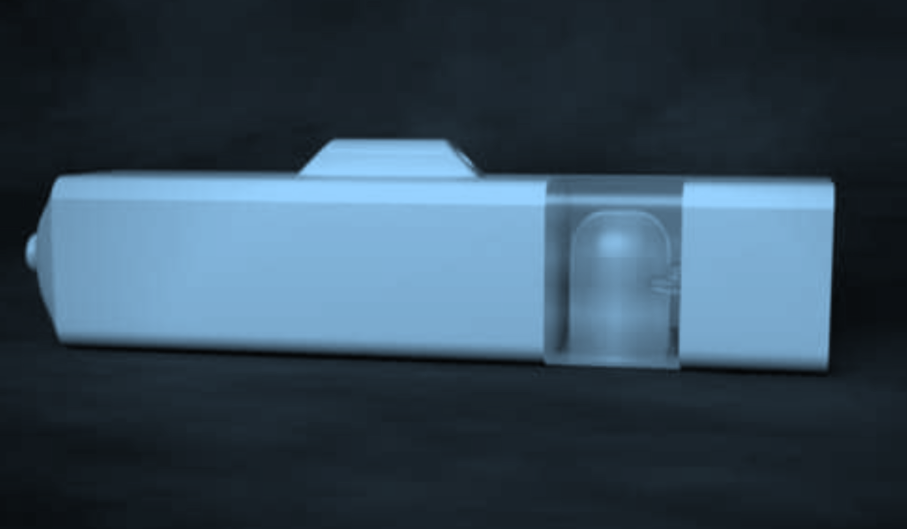
pH-metry capsule after fixation in the oesophagus (source: alpHaONE)
What preparation is needed for capsule pH-metry?
Before your capsule pH-metry examination, there are some important steps to consider to ensure that the examination can be carried out effectively and safely:
- Food intake: do not eat solid food for six hours before the examination. Do not drink anything from four hours before the examination.
- Medication and special conditions: Bring a list of all medications you take regularly. If you use blood-thinning medication, please inform us at least one week in advance. If you inject insulin, please skip a dose before the examination.
- Questions & uncertainties: If you are unsure or have any questions, please do not hesitate to contact us before the examination. We will be happy to help you.
How does capsule pH-metry work?
The capsule pH measurement is painless and easy to perform. The capsule is placed in your oesophagus during a short, outpatient endoscopy.
- Time required: Allow about 90 minutes for the entire examination when you come to us.
- Preliminary consultation: You will have a preliminary consultation with your doctor to discuss all the details of the examination and clarify any unanswered questions.
- Examination: The actual examination, a gastroscopy, takes place in the endoscopy room and lasts around 20 minutes. The pH capsule is positioned in the oesophagus and fixed in place.
- Sedation: The examination is carried out using a sedative (propofol) so that you are asleep during the examination. You will wake up quickly after the examination.
- Aftercare: You can rest in the recovery room before having a final discussion with the doctor. Please note that you are not allowed to drive yourself after the examination. Please ensure in advance that you are accompanied or can travel home safely by public transport. During the period in which the capsule is active (usually 48 to 96 hours), you can go about your normal daily activities. After the examination, the capsule is eliminated naturally.
What are the advantages of capsule pH-metry?
- Continuous monitoring of acidity
- No restriction of your activities during the examination
- Precise diagnosis of acid reflux into the oesophagus
- Basis for customized treatment plans
What are the disadvantages of capsule pH metry?
- No information on the aggregate state (liquid versus gaseous) compared to 24-hour impedance pH metry
We make the entire process as convenient as possible for you.
If you have any questions or uncertainties, please do not hesitate to contact us.