Precise sononographically guided biopsy sampling reduces the time lost before therapy is initiated.
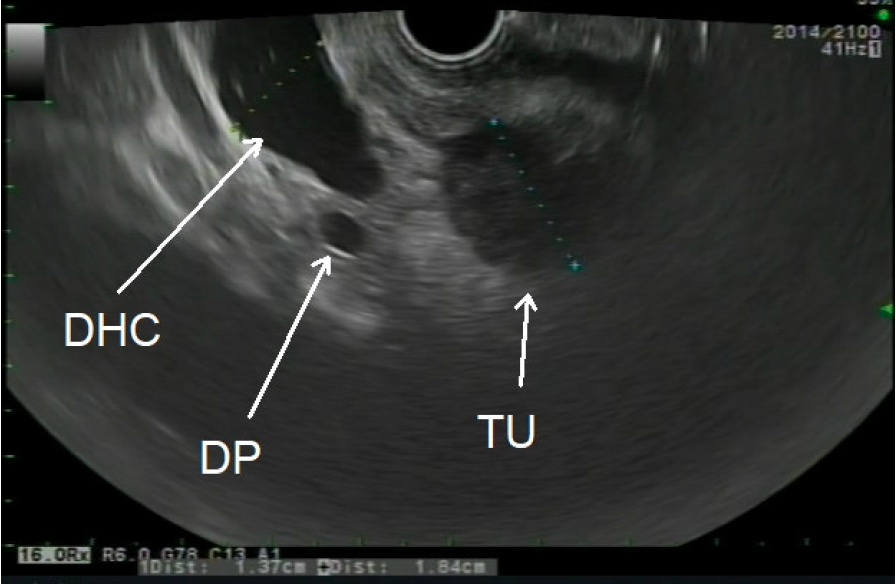
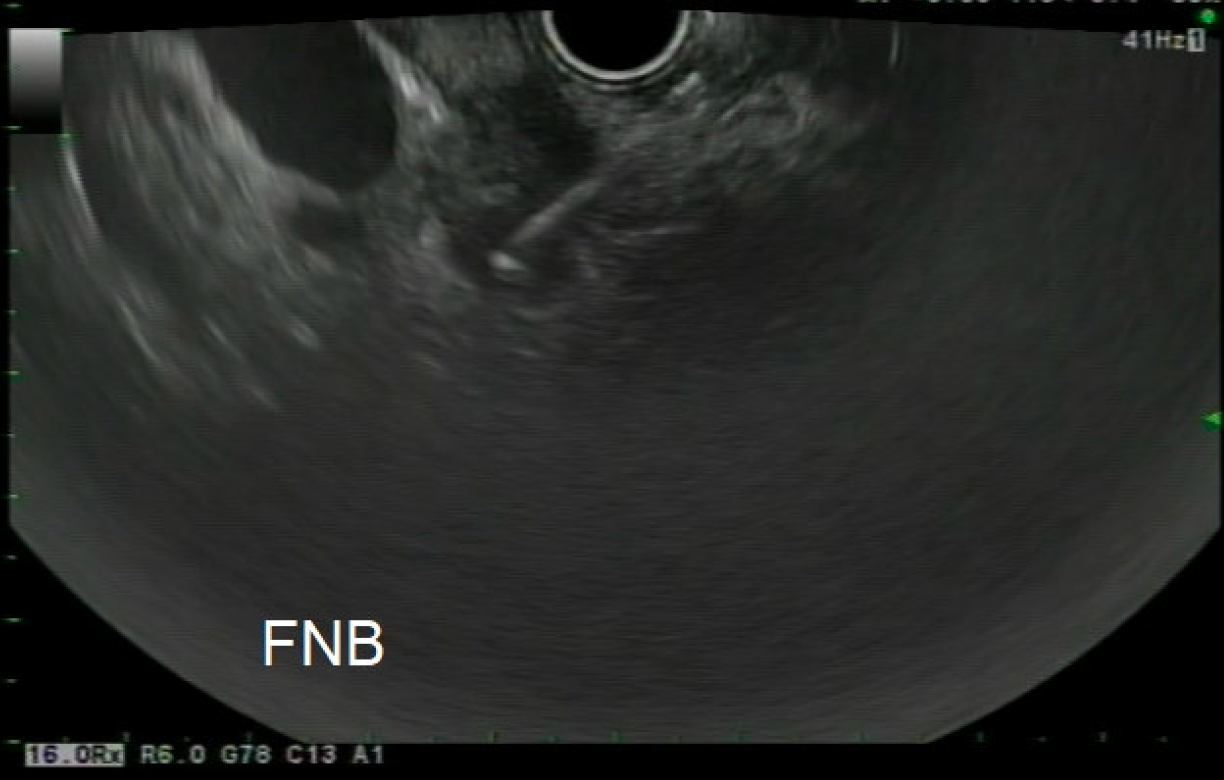
What is EUS-FNB and why is it used? Endosonography-guided fine needle biopsy (EUS-FNB) is a highly precise method in which a thin needle is passed through a special endoscope to take tissue samples from organs in the abdominal cavity, lymph nodes or the gastrointestinal wall. This procedure is used to enable accurate diagnosis of suspected tumors, cysts or other tissue changes.
How does EUS-FNB work? Endosonography: An endoscope with an ultrasound probe is inserted through the mouth or anus to produce high-resolution images of the organs in the abdominal cavity. Targeted biopsy: A thin needle is passed through the endoscope and placed into the suspicious tissue under ultrasound guidance. Taking a tissue sample: The needle removes precise tissue samples, which are then sent to a laboratory for further examination.
Advantages of EUS-FNB: Highest precision: Thanks to ultrasound guidance, tissue samples can be taken specifically from problematic areas. Minimal invasiveness: Compared to open surgical biopsies, EUS-FNB is gentler and an inexpensive procedure without radiation exposure. Rapid diagnosis: The method often enables a rapid and accurate diagnosis to be made.
Is EUS-FNB suitable for you? The decision to undergo EUS-FNB should be made on an individual basis. Consult Vivomed to discuss your specific situation and evaluate the best diagnostic options for your health.
Conclusion: Endosonography-guided fine-needle biopsy (EUS-FNB) is an advanced and precise method for diagnosing diseases in the abdominal cavity. If you would like further information or require individual advice, please do not hesitate to contact us.