
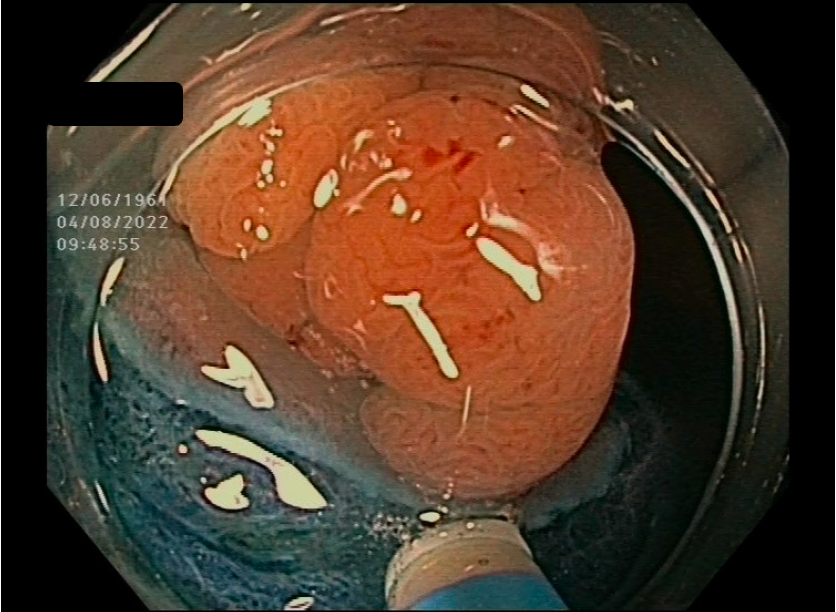
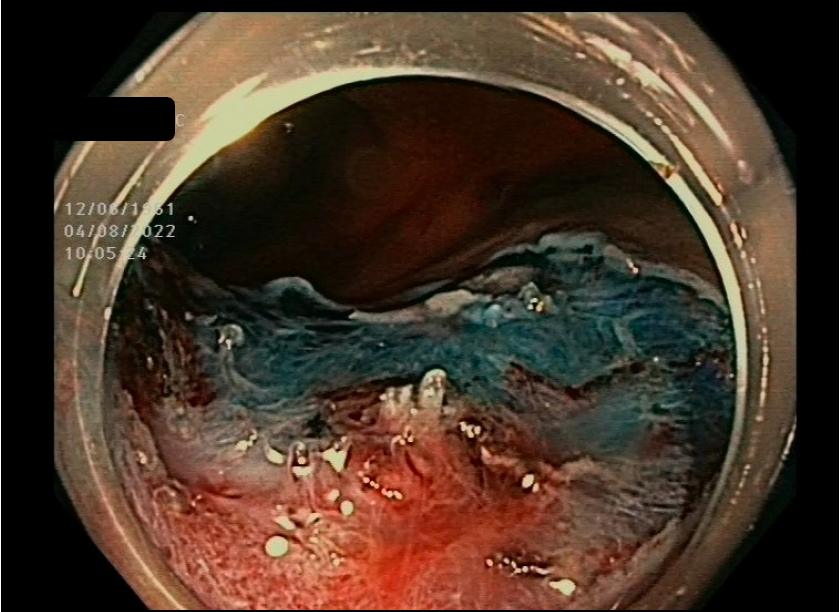
What is ESD and why is it used? Endoscopic submucosal dissection (ESD) is an innovative technique used to precisely remove early stages of gastrointestinal tumors or other benign lesions in the gastrointestinal tract. It enables the removal of tissue from the mucosal layer of the digestive tract.
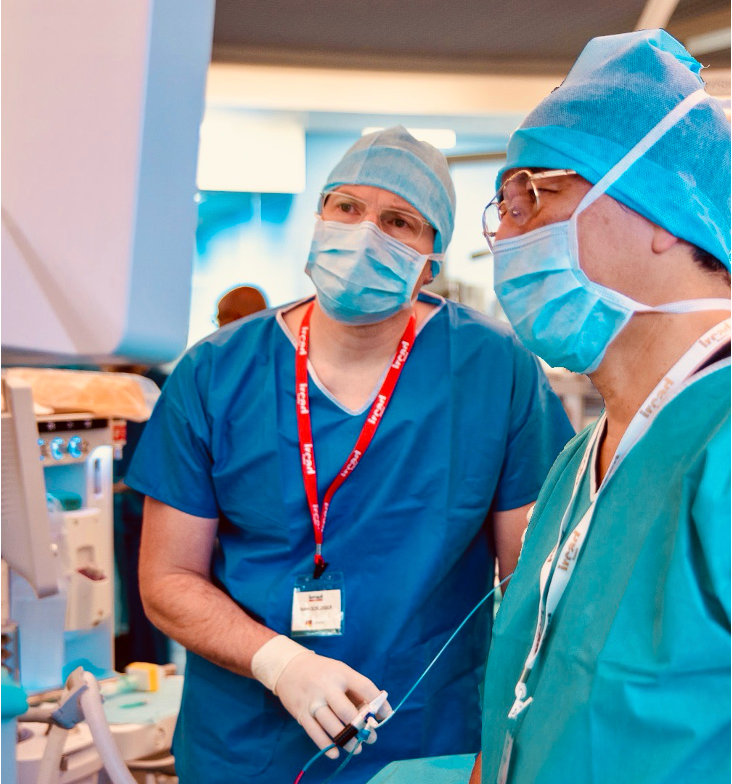
How does ESD work? ESD is performed by inserting an endoscope with special tools through the mouth or the anus. Under visual control of the endoscope, the diseased tissue is then precisely removed from the underlying mucosal layer.
Advantages of ESD: Precise removal of diseased tissue with minimal risk to healthy tissueand minimal invasiveness: Compared to traditional surgery, ESD is performed minimally invasively endoscopically without surgery. Rapid recovery: Shorter recovery time and less post-operative discomfort.
Disadvantages : ESD is a very time-consuming procedure and requires a high level of expertise and experience in the technique. Also, as the procedure does not have its own billing option, it is often not recommended over surgery despite being less invasive due to the time required or is not even offered in the first place due to a lack of expertise.
Conclusion: ESD is a highly specialized, innovative and precise technique for the treatment of early-stage gastrointestinal tumours that can be a definitive treatment. If you would like to find out more or would like an individual consultation, please do not hesitate to contact us.