
Modern endoscopic reflux treatment: treating heartburn without tablets.
Chronic reflux and heartburn can have a major impact on everyday life. If medication or lifestyle changes are not enough, innovative endoscopic treatments such as anti-reflux mucosectomy (ARMS) or anti-reflux band mucosectomy (ARBM) are available. This minimally invasive procedure offers an effective solution for patients with a hiatal hernia of up to 2 cm or caria insufficiency.
In this article you will learn how ARMS works, for whom the treatment is suitable and what benefits it offers.
What is an anti-reflux mucosectomy (ARMS)?
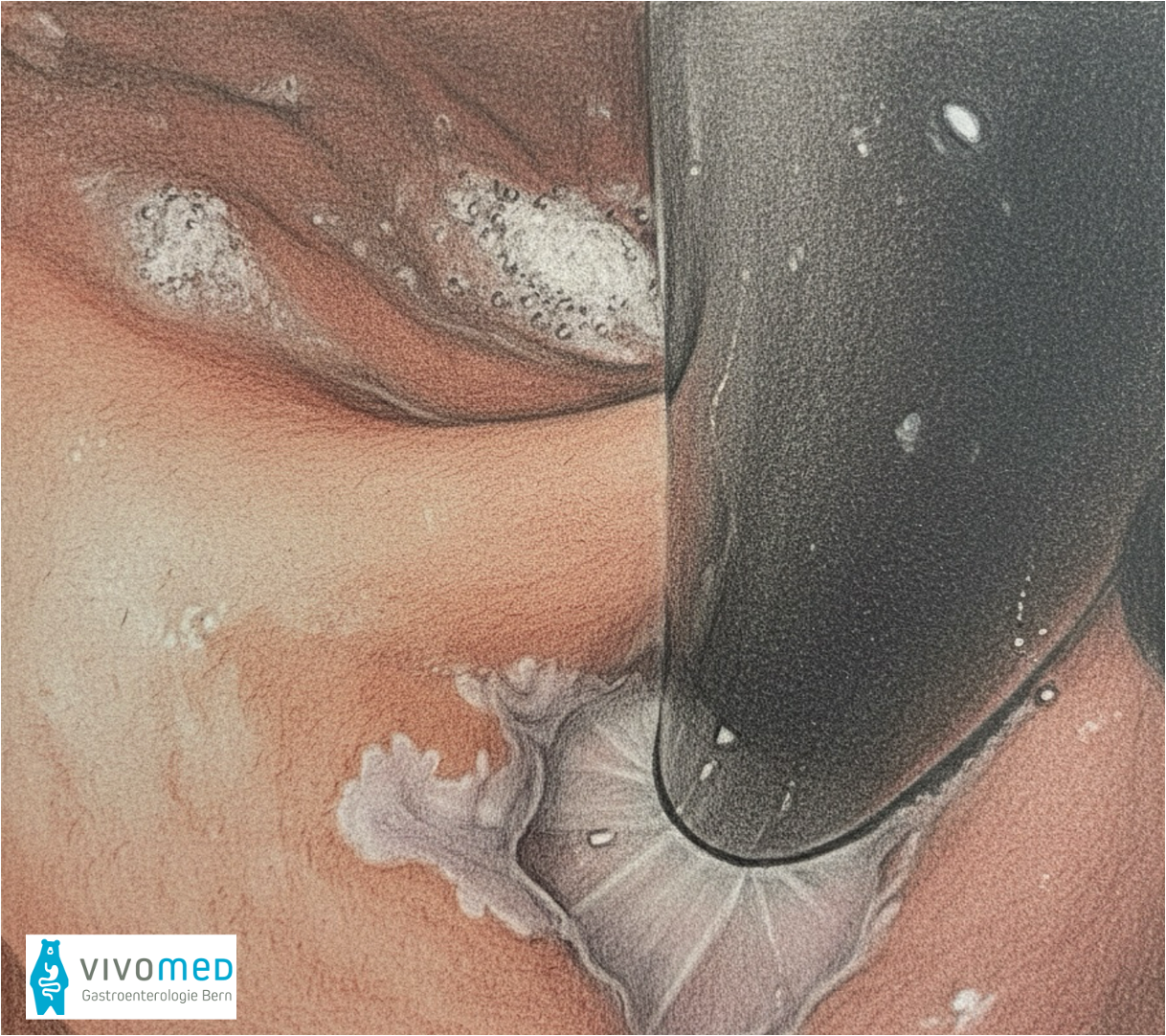
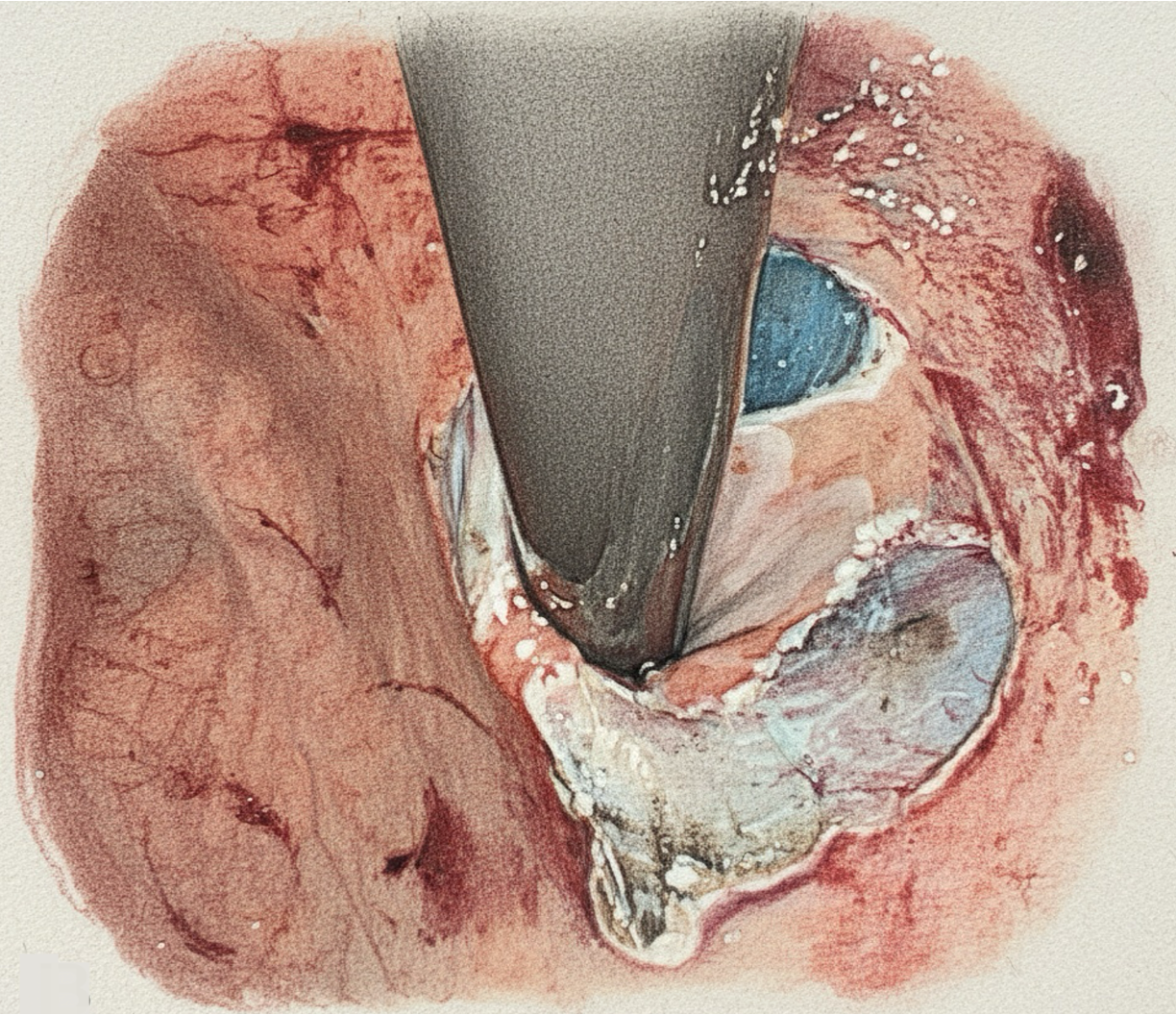
Anti-reflux mucosectomy is a modern, endoscopic procedure for the treatment of gastroesophageal reflux (GERD). The aim of the method is to improve the natural barrier function of the lower oesophageal sphincter by specifically removing parts of the mucosa in the stomach entrance.
This tissue removal tightens the area of the stomach entrance, which effectively reduces the reflux of stomach acid into the oesophagus.
Chronic reflux and heartburn can have a major impact on everyday life. If medication or lifestyle changes are not enough, innovative endoscopic treatments such as anti-reflux mucosectomy (ARMS) or anti-reflux band mucosectomy (ARBM) are available. This minimally invasive procedure offers an effective solution for patients with a hiatal hernia of up to 2 cm or caria insufficiency.
In this article you will learn how ARMS works, for whom the treatment is suitable and what benefits it offers.
What is an anti-reflux mucosectomy (ARMS)?
Anti-reflux mucosectomy is a modern, endoscopic procedure for the treatment of gastroesophageal reflux (GERD). The aim of the method is to improve the natural barrier function of the lower oesophageal sphincter by specifically removing parts of the mucosa in the stomach entrance.
This tissue removal tightens the area of the stomach entrance, which effectively reduces the reflux of stomach acid into the oesophagus.
Reflux due to cardia insufficiency
Anti Reflux Mucosectomy (ARMS)
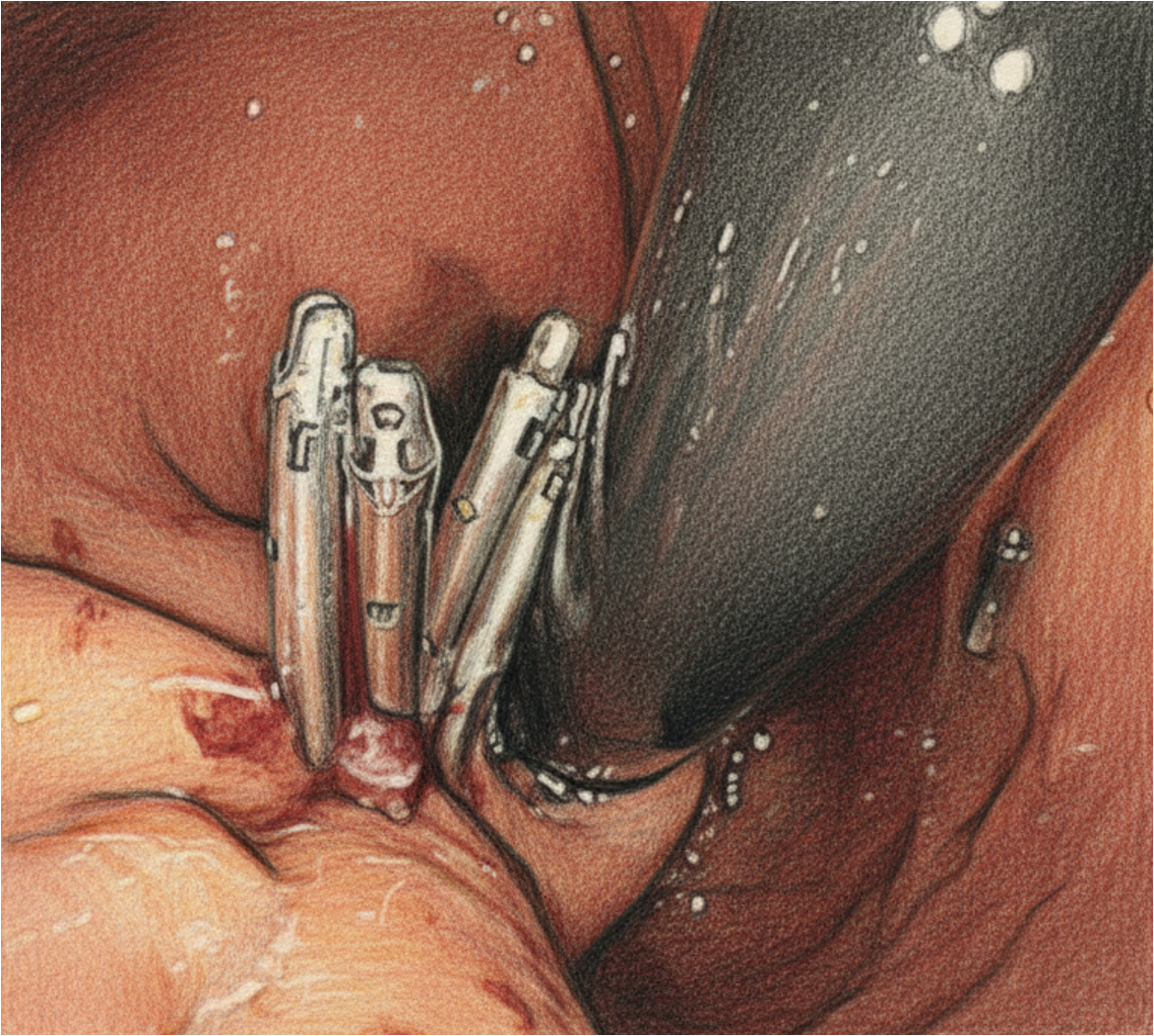
Defect closure according to ARMS
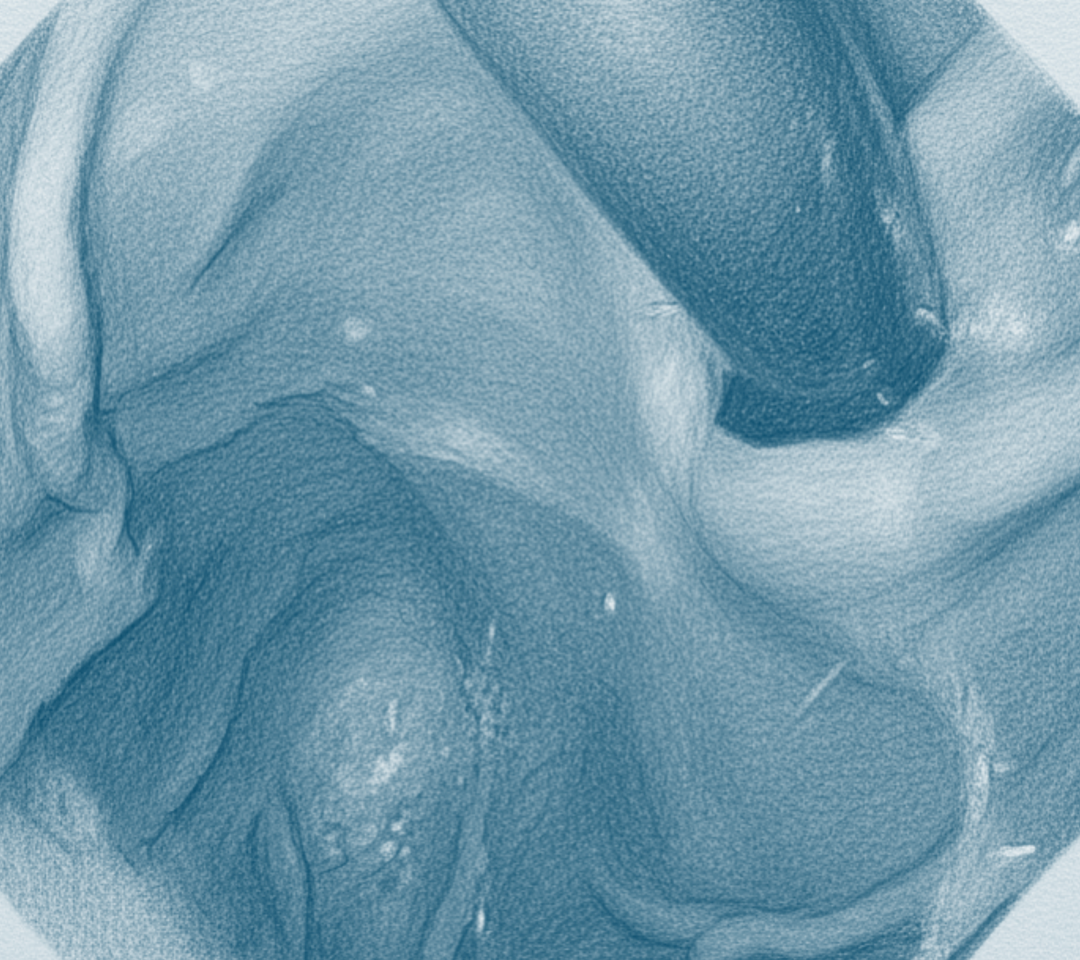
ARMS after healing
Your experts for the ARMS method in Bern
Our gastroenterology practice in Bern specializes in modern treatments for reflux and heartburn. Anti-reflux mucosectomy (ARMS) offers you a minimally invasive and effective solution for chronic reflux.
Makean appointment for a consultation and find out how we can help you treat your symptoms effectively.
Your experts for the ARMS method in Bern
Our gastroenterology practice in Bern specializes in modern treatments for reflux and heartburn. Anti-reflux mucosectomy (ARMS) offers you a minimally invasive and effective solution for chronic reflux.
Makean appointment for a consultation and find out how we can help you treat your symptoms effectively.
Your experts for the ARMS method in Bern
Our gastroenterology practice in Bern specializes in modern treatments for reflux and heartburn. Anti-reflux mucosectomy (ARMS) offers you a minimally invasive and effective solution for chronic reflux.
Makean appointment for a consultation and find out how we can help you treat your symptoms effectively.
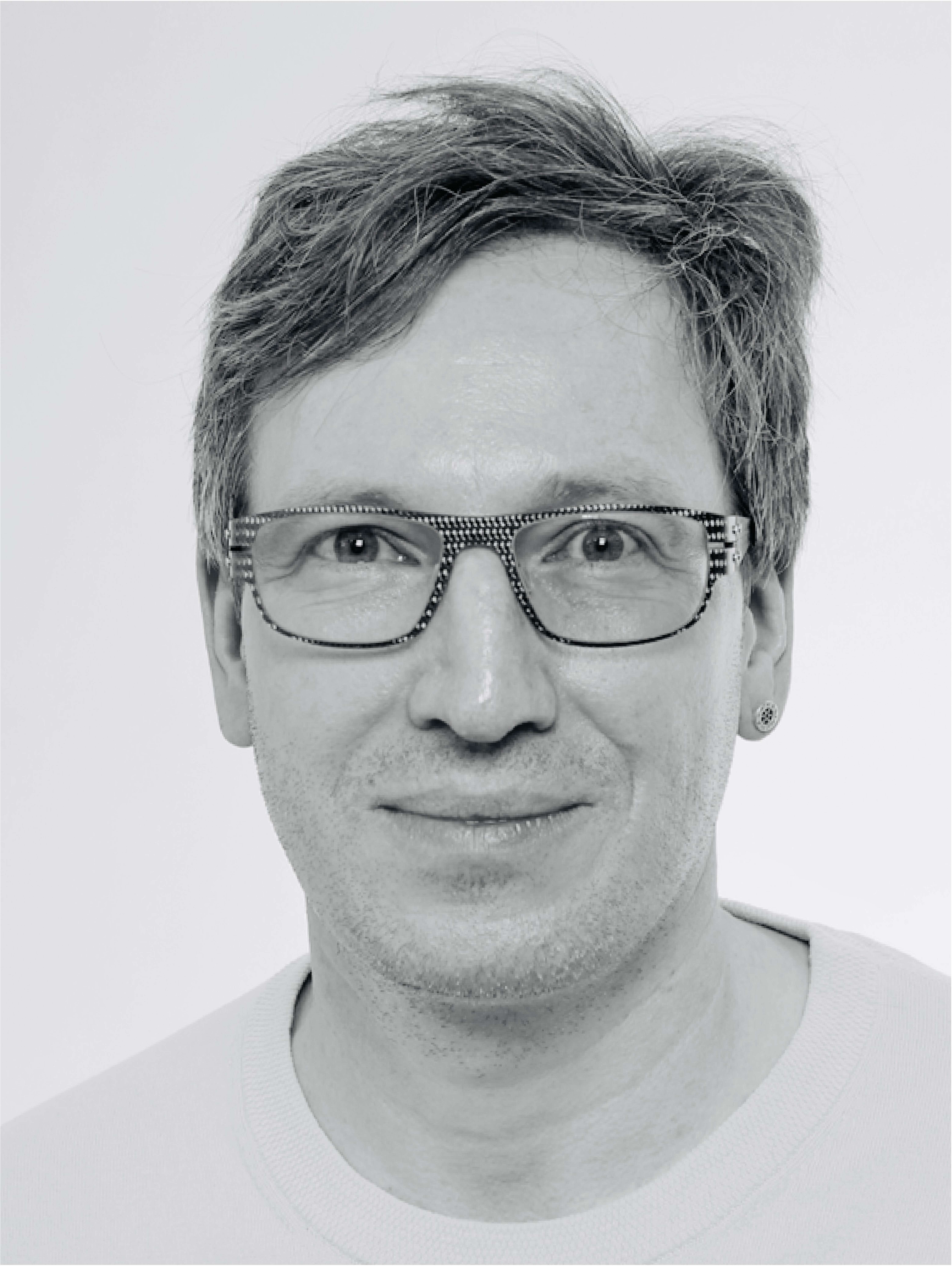
Dr. Stefan Schlosser, gastroenterologist at Vivomed in Bern, explains: "The ARMS method is an excellent option for selected patients who are looking for a minimally invasive and effective solution to reflux. We combine modern technology with individually tailored aftercare to achieve optimal results."
Dr. Stefan Schlosser, gastroenterologist at Vivomed in Bern, explains: "The ARMS method is an excellent option for selected patients who are looking for a minimally invasive and effective solution to reflux. We combine modern technology with individually tailored aftercare to achieve optimal results."
Dr. Stefan Schlosser, gastroenterologist at Vivomed in Bern, explains: "The ARMS method is an excellent option for selected patients who are looking for a minimally invasive and effective solution to reflux. We combine modern technology with individually tailored aftercare to achieve optimal results."
FAQ questions: Colorectal cancer screening and bowel screening.
Who carries out the screening?
Colonoscopy can be carried out on an outpatient basis in a gastrointestinal practice in almost all cases. A colonoscopy may only be performed by doctors who have completed special training for this examination. To ensure good quality, gastroenterologists must prove that they have performed a specified minimum number of colonoscopies per year. There are also special hygiene regulations and quality standards for practices and clinics that carry out colonoscopies, compliance with which is monitored.
Who carries out the screening?
Colonoscopy can be carried out on an outpatient basis in a gastrointestinal practice in almost all cases. A colonoscopy may only be performed by doctors who have completed special training for this examination. To ensure good quality, gastroenterologists must prove that they have performed a specified minimum number of colonoscopies per year. There are also special hygiene regulations and quality standards for practices and clinics that carry out colonoscopies, compliance with which is monitored.
Who carries out the screening?
Colonoscopy can be carried out on an outpatient basis in a gastrointestinal practice in almost all cases. A colonoscopy may only be performed by doctors who have completed special training for this examination. To ensure good quality, gastroenterologists must prove that they have performed a specified minimum number of colonoscopies per year. There are also special hygiene regulations and quality standards for practices and clinics that carry out colonoscopies, compliance with which is monitored.
Who carries out the screening?
Colonoscopy can be carried out on an outpatient basis in a gastrointestinal practice in almost all cases. A colonoscopy may only be performed by doctors who have completed special training for this examination. To ensure good quality, gastroenterologists must prove that they have performed a specified minimum number of colonoscopies per year. There are also special hygiene regulations and quality standards for practices and clinics that carry out colonoscopies, compliance with which is monitored.
Who carries out the screening?
Colonoscopy can be carried out on an outpatient basis in a gastrointestinal practice in almost all cases. A colonoscopy may only be performed by doctors who have completed special training for this examination. To ensure good quality, gastroenterologists must prove that they have performed a specified minimum number of colonoscopies per year. There are also special hygiene regulations and quality standards for practices and clinics that carry out colonoscopies, compliance with which is monitored.
Who carries out the screening?
Colonoscopy can be carried out on an outpatient basis in a gastrointestinal practice in almost all cases. A colonoscopy may only be performed by doctors who have completed special training for this examination. To ensure good quality, gastroenterologists must prove that they have performed a specified minimum number of colonoscopies per year. There are also special hygiene regulations and quality standards for practices and clinics that carry out colonoscopies, compliance with which is monitored.
Kann man SIBO und IMO mit demselben Test nachweisen?
Zur Beurteilung einer methanassoziierten intestinalen Methanogen-Überwucherung (IMO) ist zusätzlich eine Methanmessung erforderlich. Ein reiner H₂-Test reicht dafür nicht aus.
Ist bei Reizdarm immer ein Atemtest notwendig?
Nein. Die Diagnose eines Reizdarmsyndroms erfordert nicht routinemässig einen Atemtest. Bei bestimmten Verdachtsdiagnosen kann die Untersuchung jedoch ergänzende Informationen liefern.
Muss ich bei einer Laktoseintoleranz vollständig auf Milchprodukte verzichten?
Meist nicht. Die verträgliche Laktosemenge ist individuell unterschiedlich. Viele Betroffene können kleine Mengen Laktose oder laktosefreie Milchprodukte problemlos konsumieren.
Benötige ich für den Atemtest eine ärztliche Überweisung?
Ob eine Überweisung notwendig ist, hängt unter anderem vom Versicherungsmodell ab. Die Untersuchung sollte aufgrund einer konkreten medizinischen Fragestellung erfolgen.

Dr. Stefan Schlosser, gastroenterologist at Vivomed in Bern, explains: "The ARMS method is an excellent option for selected patients who are looking for a minimally invasive and effective solution to reflux. We combine modern technology with individually tailored aftercare to achieve optimal results."
Dr. Stefan Schlosser, gastroenterologist at Vivomed in Bern, explains: "The ARMS method is an excellent option for selected patients who are looking for a minimally invasive and effective solution to reflux. We combine modern technology with individually tailored aftercare to achieve optimal results."
Dr. Stefan Schlosser, gastroenterologist at Vivomed in Bern, explains: "The ARMS method is an excellent option for selected patients who are looking for a minimally invasive and effective solution to reflux. We combine modern technology with individually tailored aftercare to achieve optimal results."