
Anal carcinoma explained simply - causes, symptoms and effective steps for patients.
What is anal carcinoma and how does it develop?
An anal carcinoma is a malignant tumor that occurs in the anal canal, the area between the rectum and the outer part of the anus. The exact cause is not always clear, but certain risk factors such as HPV infections and smoking can play a role.
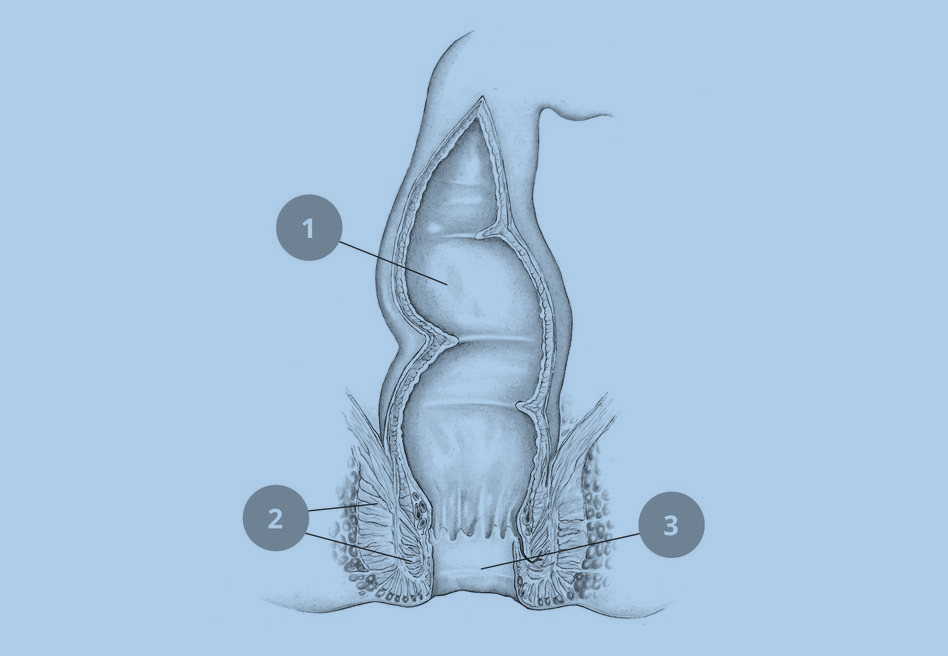
1. Rectum (rectum) 2. anus (anus) 3. sphincter of the anus
Symptoms of anal carcinoma:
- Pain: Pain in the anal area that cannot be explained
- Bleeding: Bleeding from the anus or rectal area
- Changes in bowel movements: Changes in bowel habit or stool consistency
- Itching: Persistent itching in the anal area.
Causes and risk factors:
- HPV infections: Some cases of anal cancer have been linked to human papillomavirus (HPV).
- Smoking: Smoking can increase the risk
- HIV infection: People with HIV may be at higher risk.
Proven measures to manage anal cancer:
- Surgery: surgery may be necessary to remove the tumor.
- Radiation therapy: Radiation therapy may be used before or after surgery to control tumor growth.
- Chemotherapy: Drugs are used to destroy cancer cells or slow down their growth.
- Aftercare and check-ups: Regular medical check-ups are crucial to monitor progression and react early to any changes.
When to seek medical help? Seek medical help immediately if you notice symptoms of anal cancer. Early diagnosis and treatment significantly improve the chances of success.
Conclusion: anal cancer requires a comprehensive approach. If you have any further questions or uncertainties, we will be happy to assist you as a reliable partner.